

Hotel Revenue Management
What Is Hotel Revenue Management?
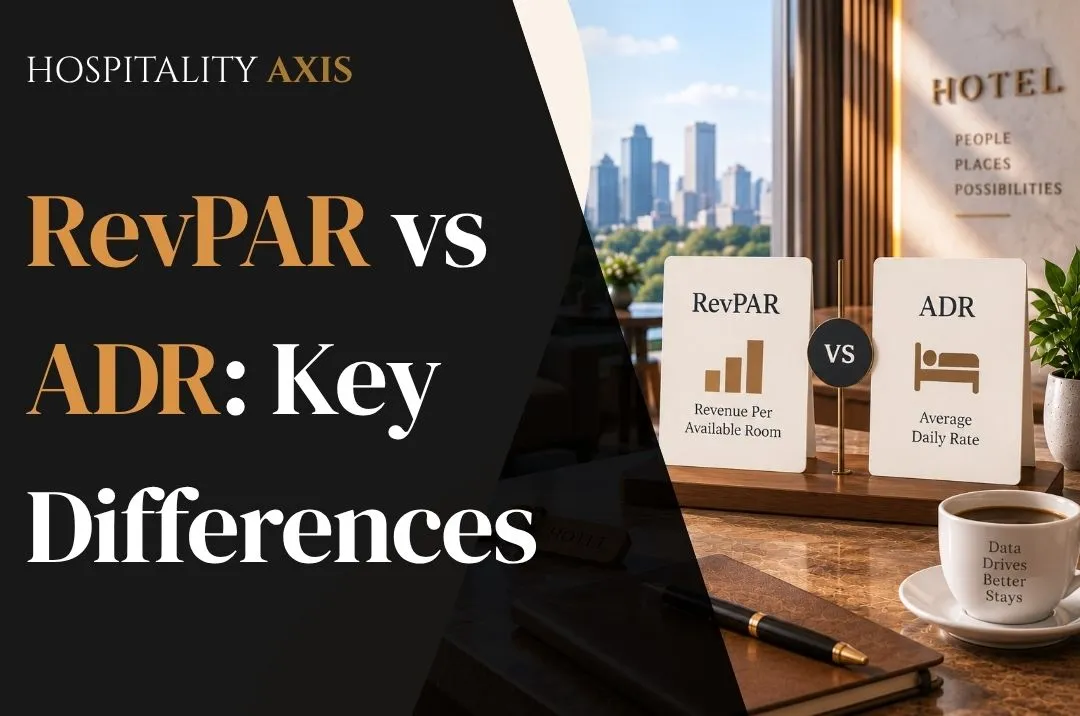
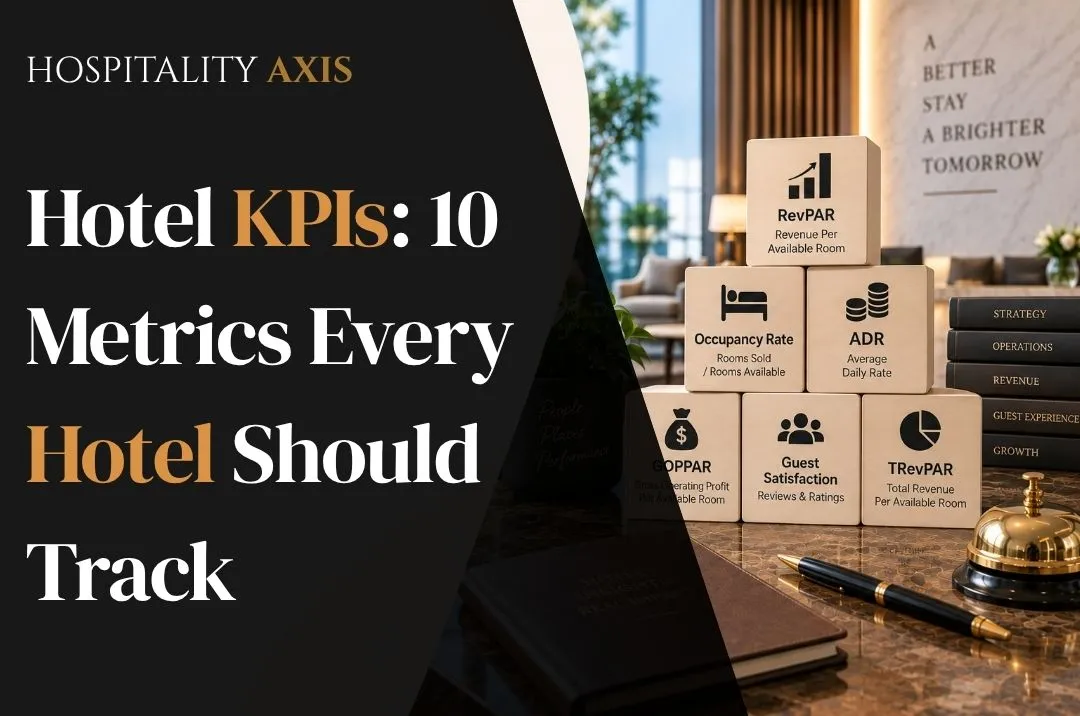
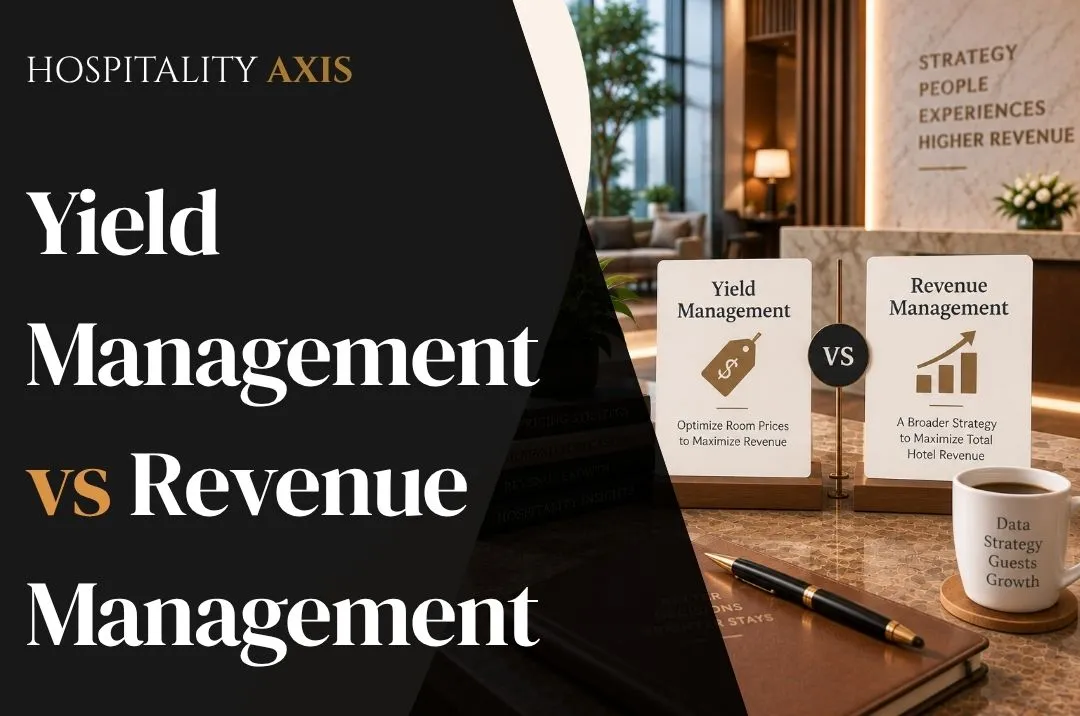
Hotel revenue management is a structured commercial discipline for optimizing revenue from a hotel's limited and time-sensitive inventory. It uses historical performance, current booking activity, future demand signals, guest segments, room availability, competitor information, distribution economics, and other relevant data to decide how inventory should be priced and sold.In practical terms, hotel revenue management answers five questions: how much demand is expected, when that demand will arrive, which guests and channels are producing it, what price and restrictions make sense, and whether the resulting business is profitable after distribution and operating costs.Modern revenue management has moved beyond spreadsheets and static rate changes. Current industry guidance increasingly connects pricing with marketing, distribution, guest behavior, total revenue, and profitability. Cloudbeds describes the modern process as continuous analysis, forecasting, segmentation, pricing, and adjustment, while HSMAI's work on performance metrics highlights the industry's movement beyond room-only measures toward total revenue and profit. citeturn0search1turn0search0What Is Revenue Management in Hotel Industry?What is revenue management in hotel industry? It is the application of revenue optimization principles to hotel rooms and, increasingly, other hotel revenue streams. Because demand changes by day, season, market segment, event calendar, booking window, and channel, hotels need a system for deciding when to protect rate, when to stimulate demand, and how to allocate scarce inventory.Revenue management in hotels therefore sits between strategy and operations. It influences pricing, reservations, sales, marketing, distribution, room-type availability, promotions, and sometimes ancillary services such as food and beverage, parking, spa, upgrades, and experiences.How Does Hotel Revenue Management Work?1. Collect the right dataRevenue teams bring together historical room performance, reservations, pickup, cancellations, no-shows, room types, rates, guest segments, channels, competitor information, events, and market signals.2. Forecast demandThe hotel estimates future demand by stay date and, where useful, by room type, segment, channel, and market. Forecasts should change when new booking evidence changes the outlook.3. Segment demandLeisure, corporate, group, wholesale, OTA, direct, long-stay, and other segments can behave differently. Segmentation helps a hotel understand price sensitivity, booking windows, length of stay, and acquisition economics.4. Set pricingRates are adjusted according to expected demand, remaining inventory, booking pace, room type, market conditions, and the hotel's commercial objectives.5. Control inventoryHotels can manage room-type availability, rate-plan availability, minimum-stay rules, closed-to-arrival restrictions, and other controls.6. Manage distributionThe hotel evaluates direct bookings, OTAs, wholesalers, corporate channels, groups, and other sources based on production and net economics.7. Measure and adjustActual pickup, occupancy, ADR, RevPAR, cancellations, channel mix, and other KPIs are compared with expectations. Decisions are revised as the stay date approaches.Revenue Management vs. Yield ManagementAreaYield ManagementRevenue ManagementPrimary focusCapacity, price, and demandBroader commercial optimizationInventoryTraditionally room inventoryRooms plus broader revenue opportunitiesInputsDemand, availability, priceDemand, segments, channels, costs, guest value, market signalsObjectiveOptimize yield from limited inventoryBalance revenue, demand, distribution, and profitabilityWhy Is Revenue Management Important in Hotels?Why is revenue management important in hotels? Because a hotel has a fixed number of rooms for a specific night, but demand for those rooms can change dramatically. Revenue management gives the property a structured way to respond instead of relying on static pricing or intuition.The importance of revenue management in hotel industry decision-making becomes clearer when occupancy and rate move in opposite directions. Filling every room is not necessarily the goal. The commercial question is whether the combination of occupancy, ADR, channel costs, total guest spend, and operating economics creates the desired result.For example, a 100-room hotel could sell 95 rooms at $110, producing $10,450 in room revenue. Another hotel could sell 82 rooms at $160, producing $13,120. The second property has lower occupancy but higher room revenue in this simplified example. RevPAR makes the comparison clearer by combining occupancy and ADR.Basics of Hotel Revenue ManagementPerishable inventoryA room night expires when the stay date passes.Demand forecastingFuture demand is estimated from historical patterns, booking pace, market signals, and other relevant inputs.Dynamic pricingRates can change as demand and availability change.SegmentationGuests are grouped by meaningful commercial characteristics such as purpose, channel, booking behavior, and stay pattern.Inventory controlAvailability is managed across room types, rates, segments, channels, and dates.Distribution managementHotels balance reach and production with commission, fees, cancellation risk, and net contribution.Performance benchmarkingA hotel's results can be compared with its own history, forecast, budget, and competitive set.Key Metrics in Hotel Revenue ManagementThe core key metrics in hotel revenue management should be read together rather than as isolated numbers. HSMAI identifies occupancy, ADR, and RevPAR as long-standing hotel revenue metrics and also documents broader measures such as TRevPAR, GOPPAR, RGI, and other commercial KPIs. citeturn0search0turn0search3MetricFormula / basisWhy it mattersOccupancyRooms sold ÷ rooms available × 100Shows the share of available room nights sold.ADRRoom revenue ÷ rooms soldShows the average rate achieved on occupied rooms.RevPARRoom revenue ÷ rooms available, or ADR × occupancyCombines rate and occupancy into revenue per available room.TRevPARTotal hotel revenue ÷ rooms availableExtends analysis beyond room revenue.GOPPARGross operating profit ÷ rooms availableConnects hotel profitability with available inventory.Booking paceBookings accumulated for a future stay date over timeShows whether demand is arriving faster or slower than expected.Length of stayTotal nights ÷ bookingsHelps identify stay patterns and inventory pressure.RGIHotel RevPAR ÷ competitive-set RevPAR × 100Benchmarks RevPAR performance against a competitive set.Channel mixBookings or revenue by sourceShows where demand originates and how the hotel's distribution mix is changing.Example: if a 100-room hotel sells 80 rooms at $180, room revenue is $14,400, occupancy is 80%, ADR is $180, and RevPAR is $144. This illustrates why ADR alone does not tell the complete story.Hotel Revenue Management StrategiesDynamic pricingChange rates in response to demand, booking pace, remaining inventory, market conditions, and stay-date pressure.Demand forecastingBuild and refresh forecasts at the stay-date level rather than relying only on monthly averages.Market segmentationSet commercial rules around meaningful guest segments and their different booking behavior.Room-type optimizationPrice and control room categories based on demand, availability, and willingness to pay.Length-of-stay controlsUse minimum-stay or other availability controls when they protect valuable high-demand periods.Channel optimizationBalance production against commissions, fees, cancellation behavior, and net revenue.Direct booking strategyUse the hotel's website, loyalty, packages, and targeted offers to develop direct demand.Event-based pricingBuild event calendars for conferences, festivals, sports, concerts, holidays, weddings, and other demand generators.Upselling and ancillary revenueIncrease total guest value through upgrades, food and beverage, parking, spa, experiences, and other services.Competitive intelligenceUse comparable hotels and market conditions as context rather than blindly copying competitor prices.Promotion optimizationUse targeted offers on dates and segments where incremental demand is needed.Past-guest reactivationUse CRM and loyalty data to encourage repeat demand when appropriate.Ideas Hotel Revenue Management Teams Can UseIdeas hotel revenue management teams can test should start with a clear commercial problem rather than a generic desire to 'increase revenue.' Examples include:Create a demand calendar covering holidays, local events, school breaks, conferences, concerts, and sports.Build a pickup dashboard showing reservations added by day, segment, room type, and channel.Create rate-change rules for compression dates and weak demand dates.Test direct-booking packages against OTA promotions using net revenue rather than gross room rate alone.Review cancellation and no-show patterns before setting aggressive inventory controls.Identify room types with persistent upsell demand and test premium pricing or targeted upgrade offers.Connect marketing campaign calendars with revenue forecasts so promotions are launched against genuine demand gaps.Use AI-assisted daily summaries to identify unusual changes in pickup, ADR, occupancy, segmentation, and competitor availability.Revenue Management Hotel ExampleConsider a 150-room hotel with a major city event on Saturday.TimingRooms bookedBooking signalPossible response21 days out52Demand buildingMonitor pace; maintain normal rate ladder14 days out89Pickup acceleratingReview forecast and increase rate levels if supported7 days out121High compressionProtect remaining inventory and premium room types2 days out137Very limited availabilityReview remaining rates and restrictionsNow consider the opposite scenario: the same hotel has only 70 rooms booked seven days before arrival, booking pace is below forecast, comparable hotels have broad availability, and the event is generating less demand than expected. A revenue team might open targeted promotions, adjust selected rate levels, increase marketing exposure, or revisit restrictions.This revenue management hotel example shows why there is no universal 'raise rates when occupancy is high' rule. The decision depends on forecast demand, pickup, inventory, timing, segment mix, competitor context, and channel economics.Hotel Room Revenue ManagementHotel room revenue management is the traditional core of the discipline. It focuses on maximizing the value generated by available room nights through pricing, inventory controls, room-type management, segmentation, and distribution.However, room revenue should not be isolated from total commercial performance. HSMAI's research notes that room-only metrics can be incomplete for hotels where other departments contribute substantial revenue, which is why TRevPAR, GOPPAR, and broader commercial measures have gained attention. citeturn0search0turn0search5Hotel Revenue Management SystemA hotel revenue management system is software designed to help a property forecast demand, analyze performance, recommend or execute pricing, manage inventory decisions, and monitor commercial outcomes. Modern RMS products can combine internal hotel data with market and competitor signals rather than treating pricing as an isolated task.For example, Cloudbeds' September 2026 RMS launch describes an approach that brings property, guest, channel, and market data together for forecasting, pricing recommendations, and automated rate execution. citeturn0search4How the Hotel Technology Stack ConnectsPMSStores operational and reservation data such as bookings, room status, guest stays, and rates.CRSCoordinates central reservation information and availability.Channel managerDistributes rates and inventory to connected channels.RMSForecasts demand and supports pricing and inventory decisions.Rate shopperProvides competitor-rate and market intelligence.BI platformCombines data into dashboards, reports, alerts, and commercial analysis.Booking engineSupports direct hotel reservations and direct-channel conversion.Hotel Revenue Management ToolsHotel revenue management tools generally fall into several categories. A property does not necessarily need every tool, but the right combination can reduce manual work and improve decision speed.Tool categoryPrimary purposeTypical revenue useRMSForecasting and pricingDemand forecast, rate recommendations, inventory controlsPMSProperty operationsReservation and room dataCRSCentral reservationsAvailability and booking distributionChannel managerDistributionRate and inventory synchronizationRate shopperCompetitive intelligenceCompetitor pricing and availabilityBIAnalysisKPI dashboards, alerts, reportingCRM / CDPGuest intelligenceSegmentation, loyalty, repeat demandWhen evaluating hotel revenue management tools, look beyond the feature list. Integration quality, data freshness, forecasting transparency, ease of use, rate execution, reporting, controls, and total cost should all be considered.AI Tools for Hotel Revenue ManagementAI tools for hotel revenue management are increasingly used to process large volumes of commercial data, identify patterns, forecast demand, automate reporting, and support pricing decisions. Current hospitality reporting describes a shift toward AI-generated commercial narratives and systems that can surface risks and opportunities rather than simply display historical dashboards. citeturn0search11AI demand forecastingModels can evaluate historical performance and current signals to estimate future demand.AI pricing recommendationsAI can recommend rate changes based on demand, availability, pace, market context, and defined commercial rules.Anomaly detectionSystems can flag unusual changes in pickup, cancellations, ADR, occupancy, or channel mix.AI reportingAI can convert overnight KPI movements into plain-language summaries for revenue teams.Guest segmentationAI can identify behavioral patterns across booking, stay, and spending data.Opportunity detectionAI can surface dates, room types, segments, or channels that deserve commercial attention.Controlled automationWhere integrations and governance are strong, approved recommendations can be executed automatically within defined guardrails.AI Hotel Revenue Management: A Practical WorkflowImagine that an AI hotel revenue management system detects that Friday bookings are arriving substantially faster than the hotel's historical pace. It also sees declining competitor availability and a major local event. Rather than simply showing the data, the system could flag Friday as a compression opportunity, explain the signals, recommend a rate review, and identify which room types or channels should be protected.The important principle is governance. AI should not become an opaque pricing oracle. Commercial teams need visible inputs, defined rate boundaries, approval rules, and the ability to override recommendations. Current hospitality AI discussions increasingly emphasize explainability, guardrails, and human decision authority. citeturn0search11Benefits of Automated Revenue Management Systems for HotelsFaster analysis of large and frequently changing datasetsMore consistent pricing and forecasting workflowsReduced manual spreadsheet and reporting workEarlier detection of demand changes and anomaliesGreater ability to evaluate multiple demand signals togetherFaster execution of approved rate changesMore scalable revenue management for lean teams Improved visibility across property, market, and channel dataMore time for revenue professionals to focus on strategy and commercial decisionsHotel Revenue Management ChallengesFragmented dataPMS, CRS, channel, marketing, finance, and market data may live in separate systems.Poor data qualityIncorrect room mapping, delayed feeds, missing history, and inconsistent segmentation can weaken forecasts.Unpredictable demandEvents, weather, economic changes, sudden travel shifts, and cancellations can disrupt historical patterns.Shorter booking windowsRapid changes in pickup can leave less time to react to demand shifts.Channel complexityGross room revenue does not show the full economics of a booking when commissions and other costs differ.Overreliance on occupancyOptimizing occupancy alone can lead to weak rate decisions.Technology integrationA sophisticated RMS cannot compensate for weak integrations or unreliable source data.AI governanceAutomated recommendations require transparency, permissions, guardrails, and human accountability.Hotel Revenue Management TrendsAI-assisted commercial decisionsRevenue teams are moving from static dashboards toward systems that interpret data and surface recommended actions.Connected commercial dataRevenue, marketing, distribution, guest, and market data are increasingly being combined.Profit-oriented optimizationHotels are paying more attention to total revenue, acquisition costs, and profit rather than room revenue alone.Real-time intelligencePickup and market signals are increasingly monitored continuously instead of only through periodic reports.Ancillary revenueHotels are looking beyond rooms toward experiences, food and beverage, parking, upgrades, spa, and other services.Accessible revenue technologyCloud-based systems and automation are making advanced revenue capabilities more available to smaller properties.Current Trends in Hotel Revenue Management in 2026Current trends in hotel revenue management in 2026 center on connected data, AI-assisted analysis, automation, and broader commercial optimization. Cloudbeds' 2026 revenue-management material describes AI and real-time data as increasingly central to forecasting and pricing, while Hospitality Net reporting describes hotel BI moving toward AI-generated explanations and proactive commercial insights. citeturn0search1turn0search11Integration is becoming an equally important issue. A September 2026 Hospitality Net report on hotel PMS APIs found that only 7% of 343 audited PMS vendors published fully self-serve API documentation, illustrating how technology interoperability can affect the ability to build connected AI and revenue workflows. This is a vendor-market study, so the figure should be treated as that study's finding rather than a universal measure of every PMS in the market. citeturn0search6How to Build a Revenue Management Strategy for Hotels1. Define the commercial objective: revenue growth, profitability, occupancy recovery, direct-channel growth, or a combination.2. Audit your data: room types, rate plans, segments, channels, history, pickup, cancellations, and market inputs.3. Create a demand calendar covering seasonality, holidays, events, group patterns, and compression dates.4. Build a stay-date forecast and compare it regularly with actual pickup.5. Create a rate architecture with room types, rate plans, fences, promotions, and pricing levels.6. Set inventory rules for room types, channels, segments, and high-demand dates.7. Measure net channel contribution after commissions, fees, cancellations, and relevant acquisition costs.8. Align revenue and marketing so promotions respond to actual demand gaps.9. Introduce automation in controlled stages, starting with reporting and recommendations before expanding execution.10. Review performance against forecast, budget, historical periods, and competitive benchmarks.Revenue Management Strategies in Hotel Industry: A Practical ChecklistForecast demand by stay dateTrack booking pace and pickupMonitor occupancy, ADR, and RevPAR togetherAdd TRevPAR and GOPPAR when evaluating broader commercial performanceBenchmark against an appropriate competitive setSegment guests and channelsManage room-type inventory separately where usefulUse dynamic pricing based on evidenceProtect peak dates with inventory controlsStimulate weak dates with targeted offersEvaluate direct and OTA economicsReview cancellation and no-show behaviorConnect revenue and marketing calendarsMonitor ancillary revenue opportunitiesUse AI with clear governance and human oversightHotel Revenue Management TipsDo not chase maximum occupancy at any price.Never interpret ADR without looking at occupancy and demand pace.Use RevPAR to connect rate and occupancy, then consider TRevPAR and GOPPAR for a broader view.Compare pickup against a meaningful historical or forecast benchmark.Do not copy competitor rates without understanding your own demand and positioning.Review channel profitability, not just booking volume.Build event calendars early enough to influence pricing and inventory decisions.Keep forecasts dynamic and revise them when actual booking behavior changes.Use automation to reduce repetitive work, not to remove commercial accountability.Document pricing rules so decisions are consistent and auditable.Final TakeawayRevenue management in hotels is not about filling every room or changing rates whenever occupancy moves. It is about making better commercial decisions before perishable inventory expires. The strongest revenue programs combine forecasting, segmentation, pricing, inventory, distribution, and profitability analysis.Technology makes that process faster. AI makes it possible to analyze more signals and surface opportunities earlier. But the foundation remains disciplined data, clear commercial objectives, reliable integrations, and accountable decision-making. That is what turns hotel revenue management from a reporting function into an active commercial strategy.
Sep 29, 2026