Running a hotel today means managing hundreds of small guest moments across many different channels at once. Doing all of that work by hand quickly becomes slow, messy, and far too easy to get wrong. This is why hotel guest experience software has become one of the smartest investments a modern property can make. The right system brings messaging, feedback, reviews, and guest profiles together into one simple, connected place. It helps your team act faster, personalize each stay, and turn happy guests into loyal, repeat bookers.
This guide explains what this software is, how it works, and which features truly matter for hotels. You will also learn how a platform differs from a simple tool, and how to choose the right one. By the end, you will know exactly what to look for before you spend a single dollar on it.
What Is Hotel Guest Experience Software?
Hotel guest experience software is a digital system that helps you manage every guest touchpoint in one place. It connects the messages, requests, reviews, and preferences that shape how a guest feels about their whole stay. Instead of juggling email, texts, sticky notes, and spreadsheets, your entire team works inside one shared screen. Good guest experience software covers the full journey, from the first booking message to the post-stay thank-you note. It usually links with your property management system, so staff always see each guest's room, dates, and history.
This connection lets your team reply with context and solve problems before they ever turn into public complaints. Some tools focus on one job, like messaging, while a full platform handles many jobs together at once. Modern guest experience software also uses simple automation to send the right message at exactly the right moment. The goal is always the same, namely a smoother stay for guests and far less manual work for your staff. When everything sits in one connected system, nothing slips through the cracks during a busy, demanding day.
Why Your Hotel Needs a Guest Experience Platform
A guest experience platform turns scattered, messy guest data into one clear, useful, and shared view for everyone. Without it, important details get lost between departments, and guests feel forgotten or ignored during their stay. With a strong platform, every team member sees the same guest information instantly and very clearly today. This shared view helps the front desk, housekeeping, and management work together toward one genuinely happy guest.
A good platform also saves hours by automating routine messages and repetitive daily tasks for your busy staff. Your team then spends that saved time on the warm, human moments that guests truly remember and value. Connected guest data powers personal service, which in turn drives better reviews and far more repeat bookings. A guest experience platform also gives owners clear reports, so they see exactly what is working and what is not. In short, this kind of system is the quiet engine behind faster service, happier guests, and stronger revenue.
Software vs Platform vs Tool: What Is the Difference?
People often use the words software, platform, and tool as if they all mean exactly the same thing. In practice, the difference usually comes down to how much each one can actually do for your hotel. The table below explains these three terms in plain words, so you can shop with real confidence today.
| Term | What It Usually Means |
| Tool | Handles one job well, like sending guest text messages |
| Software | A broader program covering several related guest tasks |
| Platform | A connected hub that runs many guest jobs together |
A simple tool might only handle messaging, or it might only collect basic guest feedback after checkout. A full platform connects messaging, reviews, profiles, and automation into one smooth, shared system instead. Many hotels start with one simple tool, then grow into a complete guest experience platform over time. Choose based on your size, your budget, and how many guest jobs you actually need to manage today.
Key Features to Look For in Hotel Guest Experience Software
The best guest experience software shares a clear set of features that truly move the needle for hotels. Before you buy, check that any system you consider includes these proven, high-value features for busy properties:
- Guest messaging by SMS and WhatsApp, so you reach guests on the channels they already use daily.
- A unified inbox that keeps every guest and staff conversation together in one simple, searchable place.
- Deep PMS integration, so the system always knows each guest's room, dates, and full booking history.
- Automated messages for pre-arrival, mid-stay check-ins, and friendly post-stay review requests sent on time.
- Built-in reputation tools that gather reviews and feedback and help you reply far faster than before.
- Guest profiles that remember preferences, allergies, and special dates like birthdays and anniversaries automatically.
A system with these features connects every part of the stay into one smooth and reliable guest experience. Skip any tool that cannot link with your existing systems, since poor integration creates more work, not less. The strongest software grows with your hotel rather than trapping you in a rigid, limited, and frustrating box.
What a Guest Experience Management System Does
A guest experience management system goes beyond simple messaging to manage the entire guest relationship over time. It collects feedback, tracks requests, stores preferences, and turns all of that data into clear, useful action. Think of a guest experience management system as the central brain that remembers every guest across many stays. It spots patterns, like a guest who always asks for a quiet room or an early breakfast each visit. With that memory, your team can surprise returning guests by meeting needs before they even have to ask.
A strong system also flags unhappy guests early, so you can find and fix their problems very quickly. It pulls data from your PMS, your reviews, and your messages into one single, trustworthy guest record overall. This complete view helps you personalize service at scale, even when your hotel is fully booked and extremely busy. Over time, this kind of system quietly builds the loyalty that keeps your rooms full all year round.
How a Tool for Hotel Guest Service Improves Daily Work
A good guest service tool removes friction from the small tasks that fill every single busy daily shift. Instead of chasing requests by phone or paper, staff handle them instantly from one shared, organized screen. A simple hotel guest service tool lets a guest text the front desk for towels, late checkout, or local tips. The request then turns into a clear task that the right department can see, accept, and complete very quickly. This speed matters a lot, since fast, helpful service is one of the strongest drivers of great reviews.
A reliable hotel guest service tool also keeps a record, so nothing gets forgotten during a hectic day. Managers can see which requests come up most often and then fix the root causes behind them. Even a single hotel guest service tool can lift guest happiness without a large or scary upfront budget. Used well, these tools free your team to focus on people instead of paperwork and endless phone calls.
Guest Experience Management Platform and Personalization
A guest experience management platform takes personalization to a level that manual methods simply cannot ever match. It blends guest data, automation, and messaging so each guest feels known, valued, and genuinely cared for. With this platform, a returning guest can find their favorite room and pillow already waiting for them. The system can automatically wish guests a happy birthday or celebrate an anniversary during their special stay with you. It can also send offers that match each guest's real habits, which convert far better than generic blasts. Personalization at this scale would be impossible for staff to manage by hand across hundreds of separate rooms. The system does the heavy lifting quietly, while your team adds the warm, human touch that guests truly love.
Strong personalization builds emotional loyalty, and loyal guests book direct, spend more, and keep returning again and again. This is exactly why many growing hotels now treat personalization as a core part of their daily service.
What Is the Best Reputation Management Software for Hotels?
Many owners ask what is the best reputation management software for hotels once reviews start shaping their bookings. The honest answer is that the best choice connects directly with your property management system and your other tools. Strong reputation software gathers reviews from every site, then helps you reply quickly with smart, AI-powered suggestions. It sends reservation details, like room number and stay dates, to enrich each review with helpful, useful context. In return, it feeds guest insights back into your profiles, building a richer picture of every guest over time. So always look for deep two-way integration first, since that is what makes reputation tools genuinely powerful.
Avoid standalone tools that cannot share data, since they create extra work and leave blind spots behind them. The best reputation tools also track your rating trends, so you can act before small issues grow large. Paired with the rest of your guest tools, this software protects both your scores and your hard-earned revenue.
How to Choose the Right Hotel Guest Experience Platform
Choosing the right hotel guest experience platform feels hard at first, but a few clear questions make it simple. Start by listing the guest problems you most want to solve, then match features to those real needs. Work carefully through these practical questions before you sign up for any platform or long-term contract:
- Does it integrate deeply and smoothly with your current property management system and channel manager?
- Can it grow with your hotel, adding new features as your needs change and expand over time?
- Is it simple enough that your busy team will actually use it well every single working day?
- Does the price match the real value and the staff time it will clearly save each week?
Always ask for a live demo, and test the system with your own real guest situations before deciding. Talk to other hoteliers about their experience, since honest reviews reveal what polished sales pages often hide. The right system should feel like a helpful partner for your team, not a confusing new daily burden.
Common Mistakes When Buying Guest Experience Software
Hotels often waste money by buying guest experience software that does not fit their real, everyday needs. The biggest mistake is choosing a flashy tool that simply cannot connect with your existing systems at all. Without integration, staff retype data, lose context, and quickly give up on the new system entirely. Another common mistake is buying too many separate tools that never talk to each other properly or reliably.
This creates messy data, double work, and a confusing experience for both your staff and your paying guests. Some hotels also pick the cheapest option, then later discover it lacks the features they truly needed most. Others buy a huge platform packed with features they will never use, wasting real money every single month. The smartest path is to start with a strong, connected core, then add extra tools only where genuinely needed. Avoid these traps, and your new system will save time instead of quietly creating even more work for everyone.
Measuring the Real Value of Your Investment
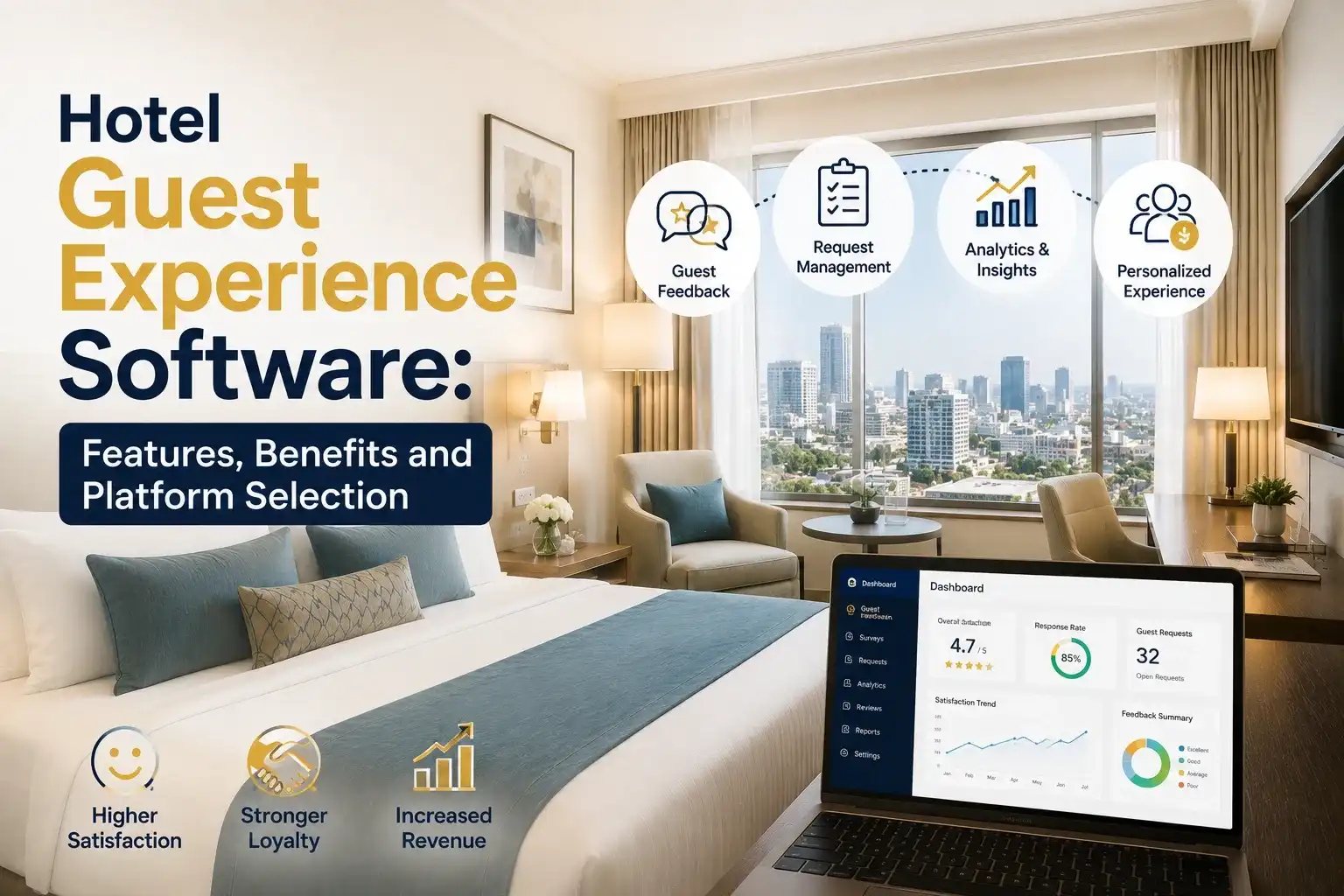
Smart hotels track clear numbers to prove that their new system is truly worth its real ongoing cost. Watch your review scores, your response times, and the share of guests who now book directly with you. Also track repeat bookings, since loyal guests are the clearest sign that your service has genuinely improved over time. Compare these numbers before and after you adopt the system, so you can clearly see the real difference. Good software gives you simple dashboards that make these results easy to read at a single quick glance.
If a tool cannot show its impact in clear numbers, it may not deserve a place in your budget. Review your results every month, and keep refining how your team uses each feature as you steadily grow. The best systems pay for themselves through happier guests, stronger reviews, and steadily rising direct revenue. Treat this as a long-term investment, and the value it returns will keep growing for many years ahead.