The Journal

Guest Experience Category Archive

guest experience

Guest Experience Jul 19, 2026

How to Respond to Hotel Reviews: Best Practices, Examples and Response Templates

Every review your hotel receives is a public conversation that future guests will read before they book. The way you reply shapes how travelers see your brand, sometimes even more than the original review itself. Research shows that most guests pay close attention to how a hotel responds to its honest feedback, since replies are a visible part of the overall hotel guest experience you deliver. A warm, thoughtful reply can win a booking, while silence or a defensive tone can quietly lose one. Yet the average hotel still answers only around forty percent of the reviews that guests leave online. That gap is a huge opportunity for any property willing to reply with real care and consistency. This guide explains how to respond to hotel reviews with clear principles, practical tips, and real example replies. You will see clear hotel review response examples for praise, for criticism, and for everything in between. By the end, you will reply with confidence and turn everyday feedback into stronger bookings and lasting loyalty. Why Responding to Every Hotel Review Truly Matters? Responding to reviews is no longer a nice extra, since it now shapes real booking decisions every day. Studies show that around ninety-two percent of travelers read reviews before they choose where they will stay. Many of those travelers look closely at how the hotel responds, not only at what the guest wrote. Of course, none of this works if guests aren't leaving reviews in the first place, which is why it pays to also focus on how hotels can get more online reviews. A thoughtful public reply signals that your property listens, cares, and takes every guest's experience seriously indeed. This single signal can tip an undecided traveler toward your hotel instead of a silent competitor nearby. Reviews with replies also tend to look more trustworthy and complete on the major booking platforms today. A polite answer to criticism can even soften the blow of a negative review for every future reader. When you reply well, you show prospective guests the warm kind of service they can expect on arrival. Ignoring reviews does the opposite, quietly telling readers that their feedback simply does not matter to you. The average hotel replies to only about forty percent of reviews, so consistent replies clearly set you apart. Each response is also a chance to add warmth, personality, and helpful detail that strengthen your online presence. Over many months, this steady habit lifts your rating, your reputation, and your share of valuable new bookings. Responding to reviews is no longer a nice extra, since it now shapes real booking decisions every day. Studies show that around ninety-two percent of travelers read reviews before they choose where they will stay. Many of those travelers look closely at how the hotel responds, not only at what the guest wrote. Of course, none of this works if guests aren't leaving reviews in the first place, which is why it pays to also focus on how hotels can get more online reviews. A thoughtful public reply signals that your property listens, cares, and takes every guest's experience seriously indeed. This single signal can tip an undecided traveler toward your hotel instead of a silent competitor nearby. Reviews with replies also tend to look more trustworthy and complete on the major booking platforms today. A polite answer to criticism can even soften the blow of a negative review for every future reader. When you reply well, you show prospective guests the warm kind of service they can expect on arrival. Ignoring reviews does the opposite, quietly telling readers that their feedback simply does not matter to you. The average hotel replies to only about forty percent of reviews, so consistent replies clearly set you apart. Each response is also a chance to add warmth, personality, and helpful detail that strengthen your online presence. Over many months, this steady habit lifts your rating, your reputation, and your share of valuable new bookings. How to Respond to Hotel Reviews: The Core PrinciplesStrong replies, whether positive or negative, follow a small set of clear and genuinely dependable principles. First, always thank the guest by name and reference a specific detail from their actual recent stay. This proves a real person read the review and cared enough to answer it personally and warmly. Second, keep your tone calm, human, and genuine, never robotic, defensive, or stuffed with stiff corporate jargon. Third, stay brief, since most readers skim, and a tight reply lands far better than a long ramble. Fourth, respond quickly, ideally within a day or two, while the review still feels fresh and relevant. Fifth, treat every reply as a message to future readers, not only to the single guest who wrote it. You open with thanks, address the main point, add a warm or corrective note, and invite the guest back. For praise, you celebrate and reinforce whatever the guest loved most about their recent stay with you. For criticism, you apologize sincerely, explain your fix, and show that real change is already clearly underway. Avoid copying and pasting the same words everywhere, since guests and readers spot lazy templates almost instantly. Personalize each reply, even slightly, so every guest feels genuinely seen, heard, and sincerely valued by you. Master these principles, and every example later in this guide will feel natural and easy to adapt. How to Respond to Positive Hotel Reviews With Examplesthanks for staying. A strong answer to praise reinforces the good feeling and gently nudges happy guests toward booking again soon. Start by thanking the guest warmly, then echo the specific thing they loved during their recent stay. If they praised a staff member by name, mention that person, since recognition motivates your whole team enormously. Then add a gentle invitation to return, perhaps hinting at something new they might enjoy next time around. Studying how to respond to positive hotel reviews examples like the one below makes this feel almost effortless. Here is a sample reply you could happily adapt for your own delighted guests after a wonderful stay: "Thank you so much for your wonderful words about our breakfast and our friendly front-desk team. We are truly thrilled that Maria made your morning special, and we cannot wait to welcome you back soon." Notice how that reply names a person, repeats a clear highlight, and warmly invites the guest to return. The best positive hotel review response examples always feel personal, specific, and genuinely happy rather than flat or canned. You can keep a few flexible positive hotel review response examples ready, then tweak each one so it never sounds repetitive. Reply to praise with the same care you give to complaints, and your warmest guests will keep returning. How to Respond to a Negative Hotel Review Negative reviews feel painful, but a calm, caring reply can protect your reputation and slowly win back trust. The worst response is no response, since silence tells future readers that complaints simply do not matter here. Begin by thanking the guest for their honest feedback, even when the words sting or feel a little unfair. Apologize sincerely for their poor experience without making excuses or shifting any blame onto the guest themselves. Acknowledge the specific problem they raised, which shows readers that you actually listened to their real concern. Then explain, briefly, what you are doing to fix the issue so that it does not happen again. Knowing how to respond to a negative hotel review calmly often impresses readers more than a flawless record would. Offer to continue the conversation privately, sharing an email or phone number for a more personal resolution. This moves the heated details offline while showing everyone that you genuinely want to make the situation right. Learning how to respond to negative hotel reviews well can even turn an angry critic into a future guest. Never argue, never get defensive, and never blame the guest, since readers almost always side with calm professionalism. A graceful answer to criticism quietly tells future guests that you handle every problem with honesty and real care. How to Respond to a Bad Hotel Review ExampleSometimes seeing a full example makes the whole approach click into place far faster than plain advice alone. Imagine a guest complains about a noisy room, a slow check-in, and a breakfast that disappointed them badly. A weak reply would simply say sorry, while a strong reply addresses each point with clear and genuine care. Here is how to respond to a bad hotel review example you can adapt to your own difficult situation: "Thank you for sharing this honest feedback, and we are truly sorry that noise and a slow check-in spoiled your stay. We have since added extra staff at peak arrival times and reviewed our room soundproofing with the whole team. Please email us directly so we can make your next visit with us far more comfortable and relaxing." That reply thanks the guest, owns each problem, explains real fixes, and invites a private, friendly conversation afterward. The best way to respond to negative hotel reviews examples is to always stay calm, specific, and focused firmly on solutions. Such as how to respond to negative hotel reviews examples never argue about who was right or wrong. Keep a small library of these example replies, then personalize each one for the guest in front of you. Strong hotel review response examples save your team real time while keeping every reply warm and human.How to Respond to a Negative Hotel Guest Review With Real Empathy Empathy is the quiet skill that separates a forgettable reply from one that genuinely wins upset people over. When you learn how to respond to a negative hotel guest review with warmth, the right words almost write themselves. Start by imagining how that guest truly felt, then let real understanding shape your opening line of apology. Phrases like "we completely understand how frustrbating that must have been" show real heart without admitting careless fault. Avoid corporate coldness, since a stiff, lawyerly reply often makes an upset guest feel ignored all over again. Name the specific issue, validate the feeling behind it, and thank the guest for giving you another chance. Then describe your fix in plain language, so the guest sees concrete action rather than empty, polished promises. A reply built on genuine empathy can turn a one-star critic into a forgiving and even loyal future guest. Other readers feel that warmth too, and many will trust a caring hotel over a cold, perfect-looking one. Knowing how to respond to a negative hotel guest review with empathy protects both your reputation and your conscience. Always close by inviting the guest back, signaling real confidence that their next stay will be far better. Handled with heart, even your toughest reviews can quietly become some of your most persuasive marketing yet. Hotel Review Response Examples for Common SituationsA ready library of replies saves time and keeps your tone consistent across your whole busy daily team. The most useful hotel review response examples cover the situations that your property faces again and again. The best positive hotel review response examples thank the guest, repeat a highlight, and warmly invite a return. For a mixed review, thank them, celebrate the good, then briefly address the one thing that fell short. For a vague complaint, apologize, ask for more detail privately, and show real willingness to understand the issue. For praise of a staff member, name that person and promise to share the kind words with them personally. Strong hotel review response examples always sound human, specific, and warm rather than stiff, generic, or defensive. Here is a flexible opener that works for almost any positive review your hotel happens to receive online: "Thank you so much for taking the time to share such kind and detailed feedback about your recent stay." For criticism, this calm opener works well across many different situations that your front desk will meet: "Thank you for your honest feedback, and we are sorry that part of your stay missed our usual high standards." Keep these hotel review response examples in a shared document, or better yet, inside your guest experience software, so every team member can reply quickly and well. Adapt each one to the specific guest, and your replies will never feel cold, lazy, or carelessly copied. Tone, Timing, and Personal Touches That Lift Every ReplyThe same message can land warmly or coldly depending entirely on your tone, your timing, and small personal touches. Aim for a voice that sounds like a real, friendly person rather than a faceless, distant corporate machine. Match the guest's energy, celebrating loudly with happy reviewers and staying gentle and calm with the upset ones. Reply quickly, since a response within a day or two feels attentive and genuinely respectful of the guest's time. A reply that arrives weeks late suggests that feedback sits ignored in some forgotten inbox for ages. Always use the guest's name when the platform allows it, since a name instantly makes the reply feel personal. Reference a specific detail from their stay, proving that a real human actually read their particular review carefully. Sign off with a name or a team title, so the guest knows a real person stands behind the words. Avoid heavy jargon, stiff legal phrases, and the exact same wording copied across dozens of different review replies. Small touches like warmth, gratitude, and gentle humor make your replies memorable and quietly strengthen your whole brand voice. With consistent tone and quick timing, every single reply builds a little more trust with your future readers. Common Mistakes to Avoid When Responding to ReviewsEven well-meaning hotels weaken their replies with a handful of avoidable and surprisingly common mistakes online. The biggest mistake is staying silent, since unanswered reviews tell readers that you simply do not really care. Many hotels also fumble how to respond to negative hotel reviews by sounding defensive and argumentative online. Copying and pasting the identical reply everywhere is just as damaging, since readers spot the lazy pattern instantly. Never blame the guest, never make weak excuses, and never dismiss a complaint as unfair or exaggerated nonsense. Avoid long, rambling replies, because most readers skim and lose patience with a dense, intimidating wall of text. Do not overpromise fixes you cannot deliver, since a broken promise damages trust more than the original issue did. Skip the corporate jargon too, as stiff, lifeless language makes even a sincere apology feel cold and hollow. Responding only to your positive reviews, while ignoring the hard ones, signals fear rather than genuine quiet confidence. Steer clear of these traps, and your replies will consistently build trust instead of quietly chipping it away. Turning Review Responses Into Repeat Bookings and LoyaltyA great reply does far more than soothe one guest, since it quietly markets your hotel to every future reader. Each response is a tiny advertisement that shows your service, your values, and your warm personality in clear action. Invite happy guests back by name, hinting at something new they might enjoy on their very next stay with you. Win over upset guests by proving, in public, that you fix problems quickly, fairly, and with real human care. Readers who see this consistent pattern often book with confidence, trusting that you will look after them too. Use replies to gently highlight features, like a new spa, a rooftop bar, or a freshly refreshed breakfast menu. Encourage returning guests to join your loyalty program, turning a single warm reply into a lasting, profitable relationship. This kind of guest loyalty is exactly what metrics like NPS are designed to track over time. Track which replies earn thanks, return visits, or follow-up messages, then repeat whatever clearly works best for you — something that's far easier to spot once you're using technology to improve the guest experience rather than tracking it by memory. Over time, thoughtful responses lift your rating, your bookings, and the long-term value of each loyal guest. Treat every review reply as a smart long-term investment, and the rewards will compound steadily for many years ahead.
Guest Experience Jul 02, 2026

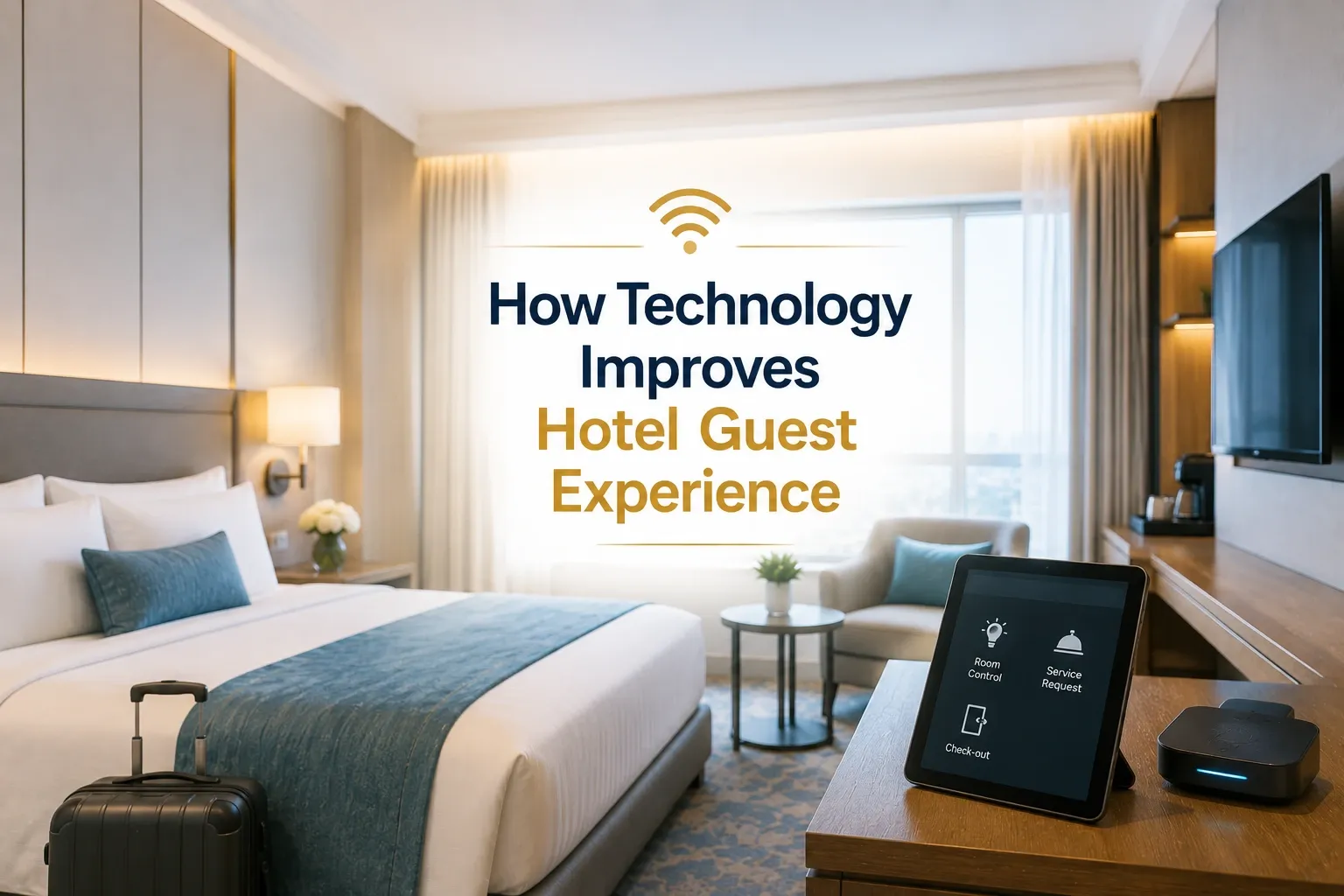
How Technology Improves Hotel Guest Experience: Strategies for Modern Hospitality

Today's travelers arrive with high expectations shaped by the smooth apps they use every single day. They want the same speed, ease, and personal touch from the hotels where they choose to stay. This is exactly where smart hotel guest experience technology steps in to make every single stay better. From the moment a guest books until the day they check out, the right tools quietly help. Owners and managers everywhere now ask how the right tools can lift a traveler's whole journey. The hotels that adopt these tools win more loyal guests, stronger reviews, and higher nightly rates.This guide shows the real benefits, clear examples, and simple first steps any property can take soon. You will learn where smart tools help most and how to roll them out with real confidence.Why Smart Hotel Technology Matters More Than EverGuests now compare their hotel stay against the slick digital services they enjoy in normal daily life. A clunky check-in or a slow request feels jarring when everything else moves quickly around them. Modern guest experience technology closes that gap and meets travelers where they already spend their time. Booking sites reward hotels with better reviews, and satisfied guests leave far kinder ratings online afterward. Personalized offers built on guest data convert at three to five times the rate of generic promotions.That higher conversion turns directly into more bookings, more upsells, and stronger revenue for the whole property. Strong tools also free staff from repetitive work so they can focus fully on real people. When machines handle the routine tasks, your team delivers the warm, human moments that guests remember most.How Technology Can Help Improve Hotel Guest Experience: The Full PictureThe clearest way to see the value is to follow the guest journey one stage at a time. Each part of that journey, from booking to checkout, has tools that remove friction and add real delight. These are the main stages where smart tools make the biggest difference for travelers today:Before arrival, apps let guests check in early, pick their rooms, and request extras in advance.At arrival, digital keys and mobile check-in cut long front-desk lines and reduce waiting time sharply.During the stay, smart rooms and chat tools answer needs instantly without a single phone call.At dinner, tableside ordering and payment let guests eat, settle up, and leave on their own schedule.After checkout, automated messages gather honest feedback and invite guests back with personal, relevant offers.Together these stages form one smooth journey that feels effortless from the very first screen tap onward. This staged view is the simplest way to understand modern guest experience technology and the value it delivers.Contactless Check-In and Digital Room KeysFew things frustrate a tired traveler more than a long queue at the front desk after travel. Mobile check-in and digital keys solve this by moving the whole arrival process onto a personal phone. Hotels that offer contactless check-in report front-desk wait times dropping by more than sixty percent overall. Guests simply finish their details before arrival, then unlock the room with one secure digital key.This convenience has moved well beyond luxury brands and is now a baseline expectation for most travelers. Digital keys also cut the cost and waste of constantly replacing lost or damaged plastic key cards. Staff gain more time to greet guests warmly instead of typing details into a slow front-desk computer. This kind of hotel guest experience tech turns a stressful arrival into a calm, welcoming first impression.Smart Rooms and the Internet of ThingsA smart room learns what a guest likes and quietly adjusts itself to suit them almost perfectly. Guests control the lights, temperature, blinds, and television using their voice or one simple mobile app. Some rooms set the ideal temperature and lighting automatically before the guest even opens the front door. Sensors also support predictive maintenance, spotting a failing air conditioner before it ruins anyone's whole stay.This same technology saves energy by powering down empty rooms without any effort from the busy staff. Guests enjoy a space that feels personal, modern, and tuned to their own comfort and daily habits. Connected devices quietly gather useful data that helps the hotel improve future stays for every single guest. Smart guest experience technology like this makes a room feel less generic and far more genuinely welcoming.AI and Hyper-Personalization Across the Whole StayArtificial intelligence has become the quiet engine behind much of today's best hospitality and service tools. AI studies booking history and past behavior to predict what each guest will most likely want next. It can suggest the right room type, recommend nearby activities, and tailor offers to each individual person. Generative AI now writes personalized emails, upsell journeys, and friendly messages based on real, recorded guest data. Hotels build guest profiles that follow travelers across every stay, enabling true one-to-one service at large scale. Chatbots answer common questions instantly, day or night, in many languages, without ever keeping guests waiting long. This frees human staff to handle the warm, complex moments that truly need a real personal touch. When hotels use technology to enhance guest experience this way, every message feels relevant and genuinely helpful.Service Robots and Contactless Room ServiceService robots have quietly moved from novelty gadgets into practical helpers inside real working hotels today. These robots travel hallways and ride elevators to deliver food, towels, and amenities to guest rooms. Guests order items right from their phones, then a robot brings them up in a clean, contactless way. This speeds delivery, reduces staff strain, and adds a fun, memorable touch to an otherwise simple request. Robots also handle repetitive cleaning tasks, freeing human teams to focus on the guests who need attention.Hotels using delivery robots report faster service and happier guests during their busiest, most demanding daily hours. While robots never replace genuine hospitality, they remove the dull work that quietly slows your team down. This blend of machines and people shows guest experience technology supporting staff rather than replacing them outright.Mobile Apps That Put the Hotel in a Guest's PocketA good hotel app turns a guest's phone into a remote control for their entire hotel stay. From one screen, guests book spa slots, order room service, and send requests without making any call. Handheld interfaces like these reduce wait times and make every extra service easy to find and buy. Guests can chat with staff, read local tips, and even adjust their room settings from the lobby. This convenience matters most to busy travelers who value their time and dislike waiting on hold endlessly.The app also gathers preferences that help the hotel personalize the very next visit even more closely. Strong hotel guest experience tech meets guests on the device they already trust and use constantly. A well-built app quietly becomes the easiest, fastest way for guests to enjoy everything that you offer.How Luxury Hotels Are Raising the Bar With TechnologyLuxury properties often lead the way in showing what modern hospitality tools can truly achieve today. They blend invisible technology with deeply personal service so the experience never feels cold or robotic. A butler might know your favorite drink because data quietly flagged it well before you even arrived. Rooms remember preferred lighting, music, and pillow types from your previous stays at the very same brand. This is luxury hotels technology enhancing guest experience in its most refined and impressive everyday form.Their guest experience technology stays invisible, working in the background to make every service feel almost magical. The goal is never to remove people but to help staff anticipate every need well in advance. When luxury hotels technology enhancing guest experience works well, the gadgets disappear and only the warmth remains.Emerging Technologies Reshaping Restaurant Guest ExperienceHotel dining has changed fast, and new tools now sit at nearly every single table in service. Tableside QR systems let diners view an itemized bill, add a tip, and pay straight from a phone. Platforms like Toast, Square, and Lightspeed make this smooth checkout simple for both guests and staff alike. In the kitchen, robots now handle repetitive tasks like chopping, stirring, and frying with steady, reliable consistency.This frees chefs to focus on creativity while helping restaurants cope with the ongoing staff shortages today. Invisible AI quietly manages loyalty rewards, dynamic menu pricing, and real-time stock forecasting behind the scenes. Diners simply enjoy faster service, fewer mistakes, and offers that match their real tastes and daily habits. These emerging technologies reshaping restaurant guest experience prove that good tech serves people, not the reverse.Using Guest Data to Personalize Every Single StayBehind every smooth experience sits clean, well-organized guest data that the hotel uses with great, careful respect. A connected system remembers names, preferences, allergies, and past requests across many separate visits and long stays. When you use technology to enhance guest experience, that stored memory makes each return feel warm and personal. A returning guest might find their favorite room, pillow, and welcome snack ready without ever asking again.Personalized offers based on this data convert far better than generic emails blasted to every single contact. Of course, hotels must protect this information carefully and respect each guest's privacy at absolutely all times. Good hotel guest experience tech treats this data as a responsibility, never as a careless free-for-all. Done right, data turns a one-time visitor into a loyal guest who happily returns again and again.Old Way Versus Tech-Enabled Way: A Quick ComparisonThe difference between a traditional stay and a tech-enabled stay shows up at almost every single step. The table below compares the old manual approach against a modern, connected guest journey, side by side.StageOld WayTech-Enabled WayCheck-inLong front-desk queueMobile check-in and a digital keyRoom controlFixed switches and dialsVoice and app-based smart controlsRequestsPhone calls and waitingInstant chat and quick app requestsDiningFlag down a busy serverTableside ordering and QR paymentFeedbackPaper card left behindAutomated, personalized follow-up messageEach row shows how smart tools remove the friction that once quietly annoyed and tired out paying guests. Smart hotel guest experience tech quietly powers each upgrade shown in the comparison table just above. The modern approach feels faster, calmer, and far more personal from the first tap to the very last.Challenges Hotels Face When Adopting New TechnologyAdopting new tools brings clear rewards, but it also comes with real challenges hotels must plan for. Rushing in without a clear plan can frustrate both the guests and the staff who serve them. Keep these common hurdles in mind before you invest in any new guest experience technology at all:Older guests may prefer human help, so always keep a friendly staffed option clearly available too.New systems must connect smoothly with the tools your hotel already relies on every single day.Staff need proper training so they feel confident using and explaining each new feature to guests.Guest data demands strong security and clear consent to protect privacy and long-term guest trust.The best hotels introduce new tools slowly and listen closely to feedback from both guests and staff. Thoughtful rollout turns these challenges into a smooth upgrade that everyone genuinely appreciates over the long run.How to Start Using Hotel Guest Experience Technology TodayYou do not need a huge budget to begin improving stays with smart, well-chosen digital tools today. Start small, measure the results, and expand the tools that clearly delight your guests the very most. Follow these practical steps to bring smarter systems into your property with real focus and confidence:Begin with the hotel guest experience tech that gives the fastest, most visible wins for everyone.Add a simple guest app that handles requests, dining, and service bookings all in one place.Use a guest profile system so preferences follow each traveler across all of their future stays.Introduce chat tools to answer common questions instantly and lighten the daily load on your staff.Review your results every month and keep only the tools that truly improve your guest satisfaction scores. With this steady approach, hotel guest experience technology becomes a reliable engine for growth and lasting loyalty.
Guest Experience Jul 02, 2026

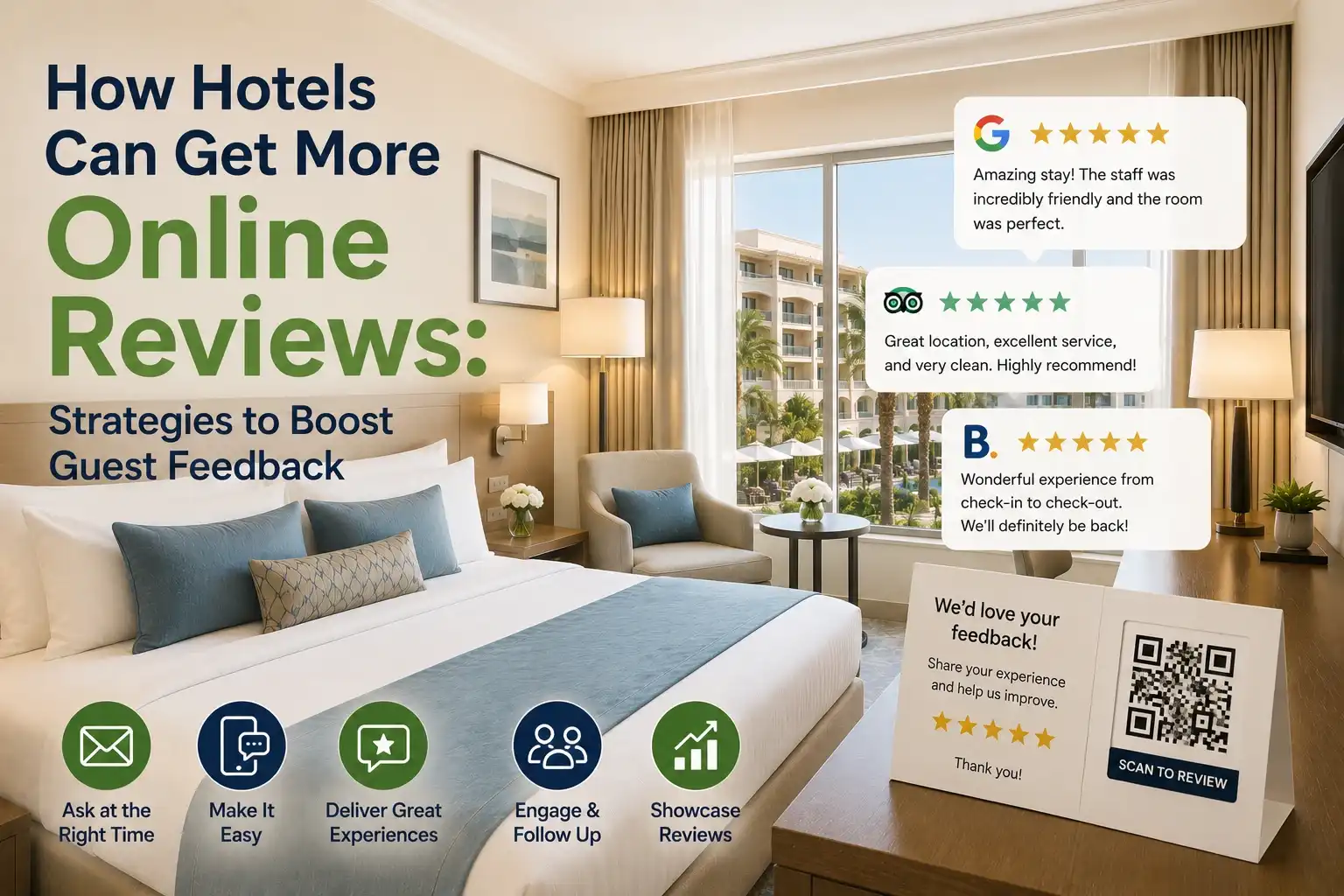
How Hotels Can Get More Online Reviews: Strategies to Boost Guest Feedback

Online reviews now shape almost every booking decision a modern traveler makes well before they arrive. Studies show that ninety-five percent of travelers read reviews before they ever book a single room. A strong rating can lift revenue, since one extra star often raises hotel income by several points. So learning how hotels can get more online reviews has become one of today's most valuable skills.The good news is that earning more reviews relies on simple habits any property can start today. This guide covers timing, scripts, tools and replies that together build a steady stream of fresh reviews. You will also learn how to earn more reviews for your hotel without ever sounding pushy or fake. By the end, you will have a clear plan to improve hotel reviews and your wider online reputation.Why Online Reviews Matter So Much for HotelsReviews are the first thing most travelers check right after they see your photos and nightly price. Around ninety-two percent of guests read reviews before booking and many always read them without fail. A Harvard study found that a single extra star can raise hotel revenue by five to nine percent.Three-quarters of travelers will happily pay more for a hotel that shows clearly better reviews online. Among guests under forty, that share climbs even higher, reaching roughly eighty percent of younger travelers. Negative reviews carry weight too and eighty-six percent of people avoid brands with unanswered public complaints.A single ignored bad review can quietly scare away dozens of guests who were ready to book. This is why a strong effort to improve hotel reputation pays off across bookings, revenue and lasting loyalty.How Hotels Can Get More Online Reviews: The Core ApproachThe whole job of earning reviews comes down to one fair trade between you and your guests. You give them a genuinely great stay, then you make leaving honest feedback quick and truly easy. The core approach to earning more reviews rests on these few simple, dependable pillars working together:Deliver a stay worth talking about, since happy guests are the only real source of reviews.Ask every guest at the right moment, while their good feelings about the stay remain fresh.Remove all friction by sending a direct link that opens the review form in just one tap.Respond to every review you receive, which quietly encourages even more guests to share their feedback.Each pillar feeds the next, building a steady, natural flow of honest reviews over the coming months. Master these basics first and every other tactic in this guide will work far better for you.Time Your Review Request the Right WayTiming decides whether a review request feels welcome or whether it quietly annoys an already busy guest. The best moment usually arrives just after a happy experience, while the warm feeling still lingers. Many hotels send a short request a few hours after checkout, when the stay feels fresh and positive. You can also ask in person at checkout, especially after a guest praises the room or the staff. Avoid asking during a problem, since a frustrated guest will rarely leave a kind or fair review.Instead, fix the issue first, then request feedback once the guest feels genuinely cared for again. A well-timed message lifts your response rate far more than a generic email sent several days too late. Smart timing is one of the easiest ways to improve hotel reviews without any extra spending at all.How to Ask a Guest to Write a ReviewMany hoteliers freeze because they are unsure exactly how to ask guest to write a review hotel teams trust. The secret is to keep your request short, warm and free of any pressure or quiet guilt. Thank the guest sincerely, mention that their feedback helps other travelers and share one simple direct link. Personal requests work best, so train staff to ask guests who clearly enjoyed their recent comfortable stay. A front-desk line like "We would love your honest feedback online" feels natural and rarely pushy.Email and text both work well, as long as the message stays brief and genuinely warm and friendly. Never offer money or perks for a positive review, since most platforms ban that practice quite firmly. When you learn how to ask guest to write a review hotel guests respect, your review count climbs steadily.Make Leaving a Review Effortless for Every GuestEven a thrilled guest will skip a review if the whole process feels slow, confusing or annoying. Your job is to remove every barrier between a happy guest and a finished, posted online review. Send a single direct link that opens the review page instantly, with no searching or extra logins required. QR codes work brilliantly on receipts, room cards and table tents placed around your busy property. One quick scan should take the guest straight to the exact page where they can leave their feedback.Keep instructions short, friendly and clear, so even a tired traveler can finish in under a minute. The fewer taps you require from people, the more reviews you will collect from grateful, willing guests. Removing friction is a proven way to improve hotel reviews across every platform your guests already use daily.How to Get Reviews for My Hotel Across Every PlatformOwners often ask how to get reviews for my hotel on the platforms that matter most to bookings. Spread your effort across Google, TripAdvisor, Booking and any sites where your guests already search and compare. Google reviews usually carry the most weight, since they appear right beside your hotel in search results. Claim and complete every business profile so guests can find and rate you without any confusion at all.Add review links to your confirmation emails, your website, your guest app and your post-stay messages too. Different guests prefer different platforms, so make leaving feedback easy on each of the major ones. Tracking which channels bring the most reviews shows you exactly where your guests feel most comfortable. A balanced presence protects you if any single platform changes its rules or hides your older reviews.Top Strategies for Improving Hotel Online ReviewsThe top strategies for improving hotel online reviews combine great service with smart, consistent follow-up habits. The table below sums up the most effective tactics and the main benefit each one delivers for you.StrategyWhy It WorksAsk at the right momentCatches guests while their goodwill is still highSend one-tap review linksRemoves friction and lifts completion ratesRespond to every reviewSignals care and encourages more feedbackTrain staff to create momentsHappy guests leave warmer, longer reviewsRecover unhappy guests fastStops bad reviews before they get postedUse several of these tactics together, since they reinforce each other and compound steadily over time. Pick two or three to start, measure the results and then add more once those become habits. These top strategies for improving hotel online reviews work for every property, from small inns to large resorts.How to Improve Hotel Google Reviews Fast Without Being SpammyGoogle reviews drive bookings, so many owners want to grow them quickly but also honestly and safely. Learning how to improve hotel google reviews fast without being spammy starts with one very firm rule. Never buy reviews, never use bots and never pressure guests into leaving a glowing five-star rating. Instead, simply ask more of your happy guests, at the right time, with one easy direct link.Spread requests out naturally over days and weeks rather than flooding Google with a sudden, suspicious burst. Personalize each message so it reads like a real human wrote it, not an automated spam machine.Respond to the Google reviews you already have, since activity signals a healthy, trustworthy business profile. Honest, steady effort is the only real way to grow Google reviews fast without risking your whole account.Respond to Every Review, Both Good and BadReplying to reviews is one of the most powerful ways to improve hotel reputation across every platform. Yet the average hotel responds to only about forty percent of the reviews that their guests leave. Thank happy guests warmly and mention a specific detail so the reply feels personal, sincere and human. For negative reviews, stay calm, apologize for the problem and explain clearly how you plan to fix it.Future guests read these replies closely and a thoughtful answer often wins their booking over a rival. A polite response to criticism can even turn an angry reviewer into a loyal, returning guest later on. Never argue, never blame the guest and never copy and paste the same dull reply everywhere. Consistent, caring replies steadily improve hotel reputation while showing every reader that you genuinely value their feedback.Train Your Team to Earn Great ReviewsYour staff create the moments that guests later describe in their glowing or disappointing online hotel reviews. A warm welcome, a quick fix or a kind surprise often becomes the highlight of a written review. Teach every team member that great service is the true engine behind every five-star rating you earn. Share recent reviews with staff so they see exactly which actions guests notice and praise the most. Celebrate employees by name when a guest mentions them, since recognition fuels even better service later on.Empower the front desk to solve small problems instantly, before they ever grow into a public complaint. Every effort to improve hotel guest review scores starts with people who feel genuinely proud of their work. When your team cares deeply, guests feel it and that real feeling fills your reviews with warmth.Turn Unhappy Guests Around Before They PostThe smartest way to avoid bad reviews is to fix problems while the guest is still onsite. Give staff a simple way to flag complaints so a manager can step in quickly and kindly. A guest whose problem gets solved well often leaves happier than a guest who had no issue at all. Offer a sincere apology, a fast fix and a small gesture that shows you truly care about them. Mid-stay surveys and quick check-in messages help you catch unhappy guests before they reach the lobby door.When you recover a guest in person, you protect your rating and often improve hotel reviews instead. A recovered guest may even praise your service in a review, turning a near miss into real praise. This single habit alone can dramatically improve hotel guest review scores across every site your guests use.Common Mistakes That Hurt Your Hotel ReputationA few avoidable mistakes can quietly undo all your hard work and badly damage your online standing. Knowing these traps helps you protect every single review you have worked so hard to earn. Watch out for these common errors that slowly hurt your hotel reputation more and more over time:Ignoring negative reviews, which signals to every future guest that you simply do not care.Buying fake reviews, which the platforms detect and punish with penalties or fully removed listings.Asking only your happiest guests in a way that clearly breaks the platform's strict fairness rules.Sending the same robotic reply to every review, which feels cold, lazy and deeply impersonal.Each mistake chips away at the trust that honest reviews are supposed to build with future travelers. Avoid these traps and your steady effort to improve hotel reputation will keep paying off for many years.Measure Your Progress and Keep ImprovingWhat you measure tends to improve, so track your review numbers carefully every single month without fail. Watch your total review count, your average rating and your response rate across each major booking platform. Note which requests, channels and staff members bring in the most reviews and the warmest guest ratings. Compare your scores against nearby competitors to see exactly where you lead and where you still trail. Set small, realistic goals, like ten extra reviews a month and celebrate when your team clearly hits them.Use guest feedback to fix the issues that show up again and again in your written reviews. Steady measurement turns review building from a guessing game into a clear, repeatable system that you fully control. Over time, these habits improve hotel reviews, lift your rating and strengthen your reputation across the board.
Guest Experience Jul 02, 2026

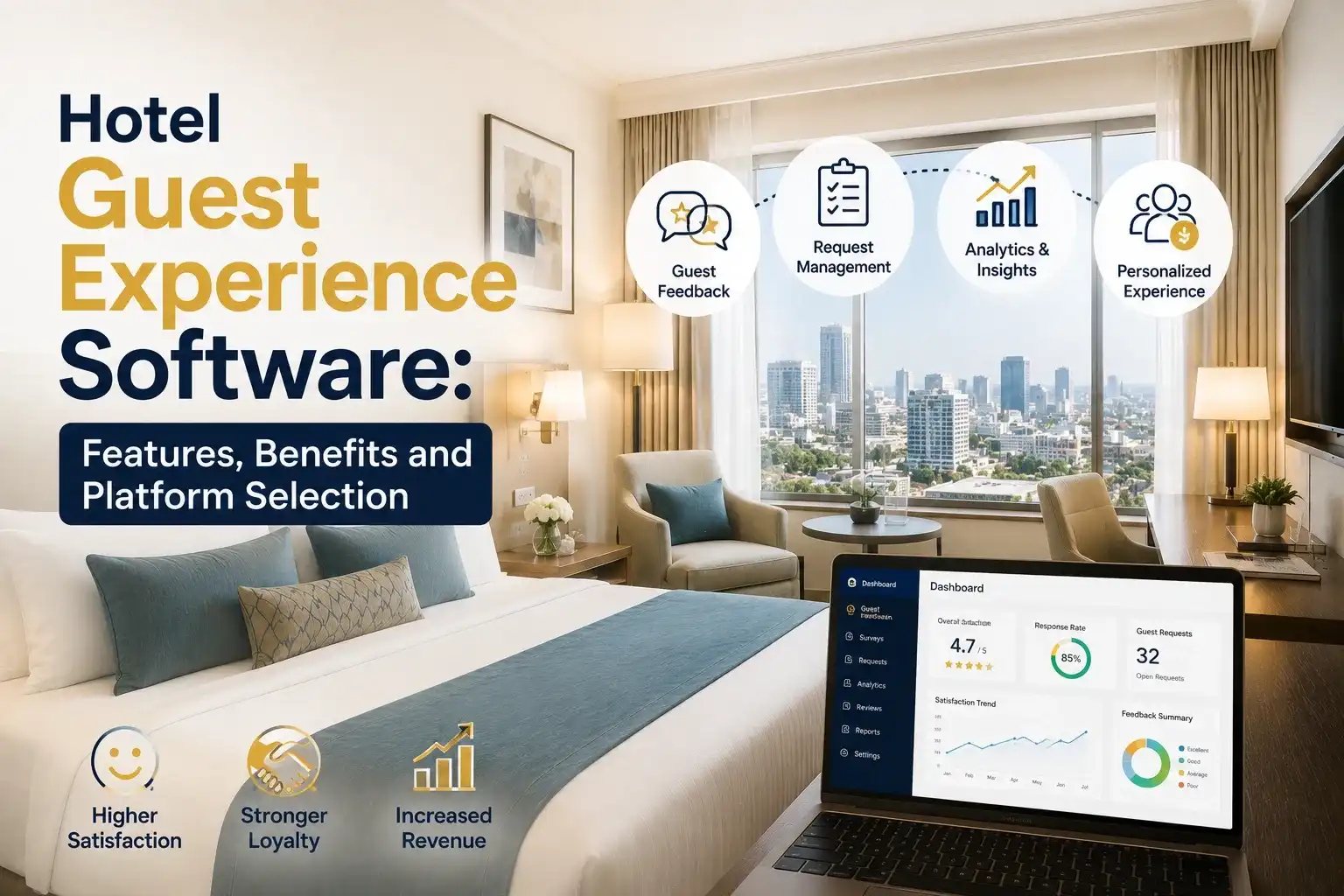
Hotel Guest Experience Software: Features, Benefits and Platform Selection

Running a hotel today means managing hundreds of small guest moments across many different channels at once. Doing all of that work by hand quickly becomes slow, messy, and far too easy to get wrong. This is why hotel guest experience software has become one of the smartest investments a modern property can make. The right system brings messaging, feedback, reviews, and guest profiles together into one simple, connected place. It helps your team act faster, personalize each stay, and turn happy guests into loyal, repeat bookers.This guide explains what this software is, how it works, and which features truly matter for hotels. You will also learn how a platform differs from a simple tool, and how to choose the right one. By the end, you will know exactly what to look for before you spend a single dollar on it.What Is Hotel Guest Experience Software?Hotel guest experience software is a digital system that helps you manage every guest touchpoint in one place. It connects the messages, requests, reviews, and preferences that shape how a guest feels about their whole stay. Instead of juggling email, texts, sticky notes, and spreadsheets, your entire team works inside one shared screen. Good guest experience software covers the full journey, from the first booking message to the post-stay thank-you note. It usually links with your property management system, so staff always see each guest's room, dates, and history.This connection lets your team reply with context and solve problems before they ever turn into public complaints. Some tools focus on one job, like messaging, while a full platform handles many jobs together at once. Modern guest experience software also uses simple automation to send the right message at exactly the right moment. The goal is always the same, namely a smoother stay for guests and far less manual work for your staff. When everything sits in one connected system, nothing slips through the cracks during a busy, demanding day.Why Your Hotel Needs a Guest Experience PlatformA guest experience platform turns scattered, messy guest data into one clear, useful, and shared view for everyone. Without it, important details get lost between departments, and guests feel forgotten or ignored during their stay. With a strong platform, every team member sees the same guest information instantly and very clearly today. This shared view helps the front desk, housekeeping, and management work together toward one genuinely happy guest.A good platform also saves hours by automating routine messages and repetitive daily tasks for your busy staff. Your team then spends that saved time on the warm, human moments that guests truly remember and value. Connected guest data powers personal service, which in turn drives better reviews and far more repeat bookings. A guest experience platform also gives owners clear reports, so they see exactly what is working and what is not. In short, this kind of system is the quiet engine behind faster service, happier guests, and stronger revenue.Software vs Platform vs Tool: What Is the Difference?People often use the words software, platform, and tool as if they all mean exactly the same thing. In practice, the difference usually comes down to how much each one can actually do for your hotel. The table below explains these three terms in plain words, so you can shop with real confidence today.TermWhat It Usually MeansToolHandles one job well, like sending guest text messagesSoftwareA broader program covering several related guest tasksPlatformA connected hub that runs many guest jobs togetherA simple tool might only handle messaging, or it might only collect basic guest feedback after checkout. A full platform connects messaging, reviews, profiles, and automation into one smooth, shared system instead. Many hotels start with one simple tool, then grow into a complete guest experience platform over time. Choose based on your size, your budget, and how many guest jobs you actually need to manage today.Key Features to Look For in Hotel Guest Experience SoftwareThe best guest experience software shares a clear set of features that truly move the needle for hotels. Before you buy, check that any system you consider includes these proven, high-value features for busy properties:Guest messaging by SMS and WhatsApp, so you reach guests on the channels they already use daily.A unified inbox that keeps every guest and staff conversation together in one simple, searchable place.Deep PMS integration, so the system always knows each guest's room, dates, and full booking history.Automated messages for pre-arrival, mid-stay check-ins, and friendly post-stay review requests sent on time.Built-in reputation tools that gather reviews and feedback and help you reply far faster than before.Guest profiles that remember preferences, allergies, and special dates like birthdays and anniversaries automatically.A system with these features connects every part of the stay into one smooth and reliable guest experience. Skip any tool that cannot link with your existing systems, since poor integration creates more work, not less. The strongest software grows with your hotel rather than trapping you in a rigid, limited, and frustrating box.What a Guest Experience Management System DoesA guest experience management system goes beyond simple messaging to manage the entire guest relationship over time. It collects feedback, tracks requests, stores preferences, and turns all of that data into clear, useful action. Think of a guest experience management system as the central brain that remembers every guest across many stays. It spots patterns, like a guest who always asks for a quiet room or an early breakfast each visit. With that memory, your team can surprise returning guests by meeting needs before they even have to ask.A strong system also flags unhappy guests early, so you can find and fix their problems very quickly. It pulls data from your PMS, your reviews, and your messages into one single, trustworthy guest record overall. This complete view helps you personalize service at scale, even when your hotel is fully booked and extremely busy. Over time, this kind of system quietly builds the loyalty that keeps your rooms full all year round.How a Tool for Hotel Guest Service Improves Daily WorkA good guest service tool removes friction from the small tasks that fill every single busy daily shift. Instead of chasing requests by phone or paper, staff handle them instantly from one shared, organized screen. A simple hotel guest service tool lets a guest text the front desk for towels, late checkout, or local tips. The request then turns into a clear task that the right department can see, accept, and complete very quickly. This speed matters a lot, since fast, helpful service is one of the strongest drivers of great reviews.A reliable hotel guest service tool also keeps a record, so nothing gets forgotten during a hectic day. Managers can see which requests come up most often and then fix the root causes behind them. Even a single hotel guest service tool can lift guest happiness without a large or scary upfront budget. Used well, these tools free your team to focus on people instead of paperwork and endless phone calls.Guest Experience Management Platform and PersonalizationA guest experience management platform takes personalization to a level that manual methods simply cannot ever match. It blends guest data, automation, and messaging so each guest feels known, valued, and genuinely cared for. With this platform, a returning guest can find their favorite room and pillow already waiting for them. The system can automatically wish guests a happy birthday or celebrate an anniversary during their special stay with you. It can also send offers that match each guest's real habits, which convert far better than generic blasts. Personalization at this scale would be impossible for staff to manage by hand across hundreds of separate rooms. The system does the heavy lifting quietly, while your team adds the warm, human touch that guests truly love.Strong personalization builds emotional loyalty, and loyal guests book direct, spend more, and keep returning again and again. This is exactly why many growing hotels now treat personalization as a core part of their daily service.What Is the Best Reputation Management Software for Hotels?Many owners ask what is the best reputation management software for hotels once reviews start shaping their bookings. The honest answer is that the best choice connects directly with your property management system and your other tools. Strong reputation software gathers reviews from every site, then helps you reply quickly with smart, AI-powered suggestions. It sends reservation details, like room number and stay dates, to enrich each review with helpful, useful context. In return, it feeds guest insights back into your profiles, building a richer picture of every guest over time. So always look for deep two-way integration first, since that is what makes reputation tools genuinely powerful.Avoid standalone tools that cannot share data, since they create extra work and leave blind spots behind them. The best reputation tools also track your rating trends, so you can act before small issues grow large. Paired with the rest of your guest tools, this software protects both your scores and your hard-earned revenue.How to Choose the Right Hotel Guest Experience PlatformChoosing the right hotel guest experience platform feels hard at first, but a few clear questions make it simple. Start by listing the guest problems you most want to solve, then match features to those real needs. Work carefully through these practical questions before you sign up for any platform or long-term contract:Does it integrate deeply and smoothly with your current property management system and channel manager?Can it grow with your hotel, adding new features as your needs change and expand over time?Is it simple enough that your busy team will actually use it well every single working day?Does the price match the real value and the staff time it will clearly save each week?Always ask for a live demo, and test the system with your own real guest situations before deciding. Talk to other hoteliers about their experience, since honest reviews reveal what polished sales pages often hide. The right system should feel like a helpful partner for your team, not a confusing new daily burden.Common Mistakes When Buying Guest Experience SoftwareHotels often waste money by buying guest experience software that does not fit their real, everyday needs. The biggest mistake is choosing a flashy tool that simply cannot connect with your existing systems at all. Without integration, staff retype data, lose context, and quickly give up on the new system entirely. Another common mistake is buying too many separate tools that never talk to each other properly or reliably.This creates messy data, double work, and a confusing experience for both your staff and your paying guests. Some hotels also pick the cheapest option, then later discover it lacks the features they truly needed most. Others buy a huge platform packed with features they will never use, wasting real money every single month. The smartest path is to start with a strong, connected core, then add extra tools only where genuinely needed. Avoid these traps, and your new system will save time instead of quietly creating even more work for everyone.Measuring the Real Value of Your InvestmentSmart hotels track clear numbers to prove that their new system is truly worth its real ongoing cost. Watch your review scores, your response times, and the share of guests who now book directly with you. Also track repeat bookings, since loyal guests are the clearest sign that your service has genuinely improved over time. Compare these numbers before and after you adopt the system, so you can clearly see the real difference. Good software gives you simple dashboards that make these results easy to read at a single quick glance.If a tool cannot show its impact in clear numbers, it may not deserve a place in your budget. Review your results every month, and keep refining how your team uses each feature as you steadily grow. The best systems pay for themselves through happier guests, stronger reviews, and steadily rising direct revenue. Treat this as a long-term investment, and the value it returns will keep growing for many years ahead.
Guest Experience Jul 02, 2026

Hotel Guest Experience: Strategies to Increase Satisfaction, Loyalty and Revenue

The hotel guest experience covers every feeling a guest has, from the first booking click to checkout. It includes the room, the staff, the food, the technology, and a hundred tiny moments in between. When all of these moments feel smooth and warm, guests leave happy and return again and again. When they feel cold or clumsy, even a beautiful property can lose loyal guests to a nearby rival.This guide explains the full journey, shares practical ideas, and shows how to lift the experience at every stage. You will find examples, best practices, technology tips, and a simple strategy any property can start using today. Whether you run a small inn or a large resort, these lessons will help you serve guests better. By the end, you will know exactly how to turn ordinary stays into memorable, loyalty-building experiences.What Is Guest Experience in a Hotel?Many owners ask what is guest experience in hotel terms, and the honest answer is refreshingly simple. Guest experience is the total feeling a guest carries away from every interaction with your whole property. It blends the physical space, the human service, and the digital tools into one lasting overall impression. A great guest experience for hotels feels seamless, personal, and genuinely caring at every single step of the way. It is not one big moment, but the sum of many small moments added together over time.A clean room, a warm welcome, and a quick answer all combine into how the guest remembers you. The hotel guest experience also lives online, in the reviews and ratings that future guests read carefully. Understanding this full picture is the first real step toward improving it in a meaningful, lasting way. When you see experience as the whole journey, you start fixing the small gaps that quietly frustrate guests.Why the Importance of Guest Experience in Hotel Success Keeps GrowingThe value of a great guest stay has never been higher than it is for hotels right now. Travelers read reviews, compare photos, and judge service long before they ever arrive at your front door. Around ninety-five percent of travelers read reviews before booking, and great stays drive those glowing positive reviews. A strong experience lifts your rating, and a higher rating can raise revenue by several clear points. Happy guests also book direct more often, which saves you the costly commissions paid to booking sites.They return more frequently, spend more during each stay, and recommend you warmly to all their friends. Poor experiences do the opposite, spreading through bad reviews that quietly scare away many future guests. In a crowded market, the guest experience is often the one thing competitors simply cannot easily copy. This is why smart hotels now treat experience as a core driver of growth, not a soft extra.The Hotel Guest Experience Journey, Stage by StageThis whole journey runs through several clear stages, and each one shapes the final lasting impression. The table below breaks the journey into stages and shows what guests want most at each point.StageWhat Guests Want MostBookingA simple website and clear, honest pricingPre-arrivalEasy check-in details and helpful trip informationArrivalA fast, warm welcome with no long queueStayClean rooms, quick service, and quiet comfortCheckoutA smooth exit and a friendly, simple goodbyePost-stayA thank-you note and a gentle review requestMapping this journey carefully helps you spot the exact moments where guests quietly feel real friction. Fix those weak points, and the whole journey suddenly feels smoother, warmer, and far more memorable for everyone. Each stage is a fresh chance to exceed expectations and turn a simple stay into a loyal relationship.How to Improve Guest Experience in Hotel SettingsLearning how to improve guest experience in hotel settings starts with listening closely to what guests actually want. Collect feedback through surveys, reviews, and simple conversations, then act quickly on what you clearly learn. Train your team to solve problems on the spot, since fast recovery often impresses guests very deeply. Small, consistent upgrades usually matter far more than one expensive, flashy change that guests barely even notice. Knowing how to improve hotel guest experience also means removing friction at every stage of the guest journey.Speed up check-in, simplify requests, and make sure every promise on your website actually holds true. When you upgrade the experience step by step, the results show up in better reviews and repeat bookings. Focus first on the basics, like cleanliness and kindness, before adding any fancy extras on top. These ways to improve hotel guest experience cost little but build the kind of loyalty that lasts for years.Ideas to Enhance Hotel Guest ExperienceSometimes you simply need fresh, practical ideas that lift each stay without ever spending a fortune. The list below shares simple ideas to improve hotel guest experience that work for almost any property today:Offer a warm welcome drink or a small local treat when guests first arrive at your reception.Send a friendly pre-arrival message asking about preferences, allergies, and the main reason for their trip.Add thoughtful room touches, like fast wifi, blackout curtains, and a simple guide to local gems.Surprise returning guests by remembering their favorite room, pillow, or drink from a previous happy stay.Make checkout effortless with mobile options, so nobody ever waits in a slow line to leave.These ways to improve guest experience in hotel routines are cheap, fast, and surprisingly powerful for loyalty. Try a few each month, measure the response, then keep whatever clearly makes your guests noticeably happier. Even tiny gestures, repeated consistently, can transform how guests feel about your whole property over time.How to Enhance Guest Experience in Hotels Through PersonalizationThe fastest way to enhance guest experience in hotels is to make every guest feel personally known and valued. Personalized offers convert at three to five times the rate of generic messages sent to everyone at once. Personalized guest experiences in hotels start with good, clean data about preferences, habits, and past visits. When you greet a returning guest by name and meet a need before they ask, real loyalty grows. Use a guest profile system so every department sees the same preferences and past requests instantly and clearly. Small touches, like a favorite snack or a preferred quiet floor, show guests that you truly remember them.Enhancing guest experience in hotels does not require huge budgets, only attention and a little smart technology. The goal is to make each guest feel like your single most important visitor, every single time. Personal care, repeated consistently, is what turns first-time visitors into devoted, lifelong guests of your hotel.Using AI for Hotel Guest ExperienceSmart properties now use this technology for work that once took staff many slow, manual hours overall. AI studies booking history and behavior to predict what each guest will most likely want next time. It can suggest room upgrades, recommend local activities, and send the right message at exactly the perfect moment. A good AI hotel guest experience tool answers common questions instantly, day or night, in many different languages.This frees your human team to focus on the warm moments that machines simply cannot ever replace well. AI also spots unhappy guests early, so you can fix problems before they ever become public complaints. Used well, AI quietly powers personalization at a scale that no manual team could ever hope to match. The best results come when AI handles the routine work and people deliver the genuine human warmth. Together, smart software and caring staff create an experience that feels both effortless and deeply personal for guests.Technology, Software, and QR Codes That Lift Every StayThe right technology turns good intentions into smooth, reliable service across your entire busy property every day. The best hotel software for improving guest experience connects messaging, profiles, feedback, and reviews in one place. These connected solutions for hotel guest experience help your team act faster and personalize each stay more easily. QR codes have also become a simple, powerful tool across the modern guest journey in recent years. The benefits of qr codes in hotel guest experiences include digital menus, contactless check-in, and instant in-room service requests.Guests scan one code to book a spa slot, order food, or leave quick feedback quietly and privately. Research shows that seventy-three percent of travelers prefer hotels offering this kind of easy self-service technology. At the top end, luxury hotels technology enhancing guest experience blends these tools invisibly into warm, personal service. The smartest hotels pick technology that supports staff, rather than replacing the human touch that guests truly value.How Luxury Hotels Enhance Guest ExperienceIt really helps to study the finest luxury properties, since they often set the standard for the whole industry. Luxury properties combine flawless service with quiet technology that anticipates guest needs before they even speak. A butler might know your favorite drink because data gently flagged it before you arrived at the front door. This creates a luxury hotels seamless guest experience where everything feels effortless, smooth, and beautifully well timed. Staff are trained to notice tiny details, then act on them with warmth and genuine, unhurried personal care. Rooms remember preferred lighting, music, and pillows from a guest's previous stays at the very same brand.The real lesson for every hotel is that anticipation, not just luxury, creates the most memorable stays. You do not need a five-star budget to copy the mindset of noticing and caring deeply about guests. Borrow these habits, scale them to your own size, and your guests will feel genuinely, wonderfully cared for.How Boutique Hotels Create Unique Guest ExperiencesBoutique hotels prove that personality and care can beat sheer size every single day of the week. Understanding how these small, characterful properties work helps almost any hotel punch above its weight. With only ten to eighty rooms, a boutique hotel cannot match the operational scale of a giant chain. Instead, it wins by knowing guests personally and shaping every detail around its own distinct character. Smart boutique hotels let simple technology, like QR codes, handle routine tasks and basic information requests quietly.This frees their small teams to focus fully on the warm, personal touches that define each memorable stay. Local art, unique design, and genuine recommendations make these properties feel special and truly one of a kind. Guests remember the feeling of being known, which large, busy chains often struggle to deliver well. Any hotel can borrow this boutique mindset by adding character, warmth, and real personal attention to every stay.How to Improve Hotel Guest Satisfaction and Keep It HighSatisfaction is the clearest sign that your guest experience efforts are genuinely working for real, paying guests. Knowing how to lift it well starts with measuring satisfaction honestly through surveys, scores, and reviews. Track numbers like your NPS, read guest comments closely, and look for the same issues that repeat often. To understand how to increase guest satisfaction in hotels, fix those recurring problems firmly at their root cause. Fast, friendly problem-solving often lifts satisfaction even higher than a flawless stay with no issues at all.Train and empower your staff, since happy, confident employees almost always create happier and far calmer guests. Knowing how to improve guest satisfaction for hotels also means closing the loop after every piece of feedback. Tell guests what you changed because of their comments, and they will feel genuinely heard and truly valued. These ways to increase guest experience in hotels build the steady trust that keeps satisfaction scores high.Hotel Guest Experience Examples and Case StudiesReal, vivid examples make these ideas concrete and much easier to copy in your own daily practice. One hotel sent a pre-arrival text, learned a guest was celebrating, and left a free dessert waiting. Another used QR codes so guests could order poolside drinks without ever leaving their comfortable sun loungers. These examples of guest experience for hotels share one clear trait, namely thoughtful attention to small human details. Hotel guest experience case studies often show that recovery moments create the strongest and most lasting guest loyalty.In one case study, a hotel fixed a noisy room overnight and earned a glowing five-star review afterward. In another, remembering a returning guest's coffee order turned a regular visitor into a lifelong, vocal fan. The pattern across every example is simple, since small, caring actions consistently beat big, expensive gestures. Study these stories closely, then adapt the best ideas to fit your own property, budget, and guests.Hotel Guest Experience Best Practices to FollowA few proven, simple best practices work reliably across almost every single type of hotel property.First, fix the basics, since cleanliness, comfort, and kindness matter far more than any clever new gadget.Second, personalize whenever you can, because guests genuinely love feeling remembered, valued, and truly cared for.Third, respond fast, since quick service and quick problem-solving drive strong reviews and many repeat bookings.Fourth, use technology to support staff, never to replace the human warmth that guests truly remember most.Fifth, gather feedback constantly, then act on it and tell guests about the real improvements you made.These best practices form a simple checklist that your whole team can comfortably follow every single day. Consistency is the real secret, since one great stay matters far less than many reliably good ones. Follow these habits, and your property will steadily build the loyal, returning guest base every hotel dreams of.Building a Hotel Guest Experience StrategyA clear, written strategy turns scattered good intentions into steady, repeatable, and measurable real results overall. Start by mapping the full journey, then set simple goals for each stage you most want to improve. Choose a few key metrics, like satisfaction scores and repeat bookings, to track your progress over time. Assign clear owners, so every part of the experience has someone responsible for keeping it consistently strong. Your hotel guest experience enhancement plan should mix quick, easy wins with a few larger, longer-term projects.Review the results every month, celebrate what works, and quietly drop whatever fails to move the needle. A written strategy keeps your whole team aligned, even during your busiest and most demanding travel seasons. It also helps owners see exactly where their money and effort create the biggest possible returns. With a steady strategy, guest experience stops being luck and becomes a reliable engine for real growth.Train and Empower Your Team to Deliver Great StaysTechnology and ideas only work when your people bring them to life with real warmth and care. Your staff create most of the moments that guests remember, both the wonderful ones and the disappointing ones. So invest in training that covers service standards, problem-solving, and the simple art of making people feel welcome. Give your team the freedom to fix small issues on the spot, without waiting for slow manager approval. Empowered employees act faster, and that speed often turns a frustrated visitor into a grateful, loyal one.Recognize great service openly, since staff who feel valued naturally pass that same warmth on to your guests. Share guest feedback with the whole team, so everyone sees the direct impact of their daily efforts. Happy, confident employees almost always create happier guests, which shows up clearly in your reviews and ratings. Treat your people as your greatest asset, and they will reward you with service that machines cannot match.
Guest Experience Jun 25, 2026

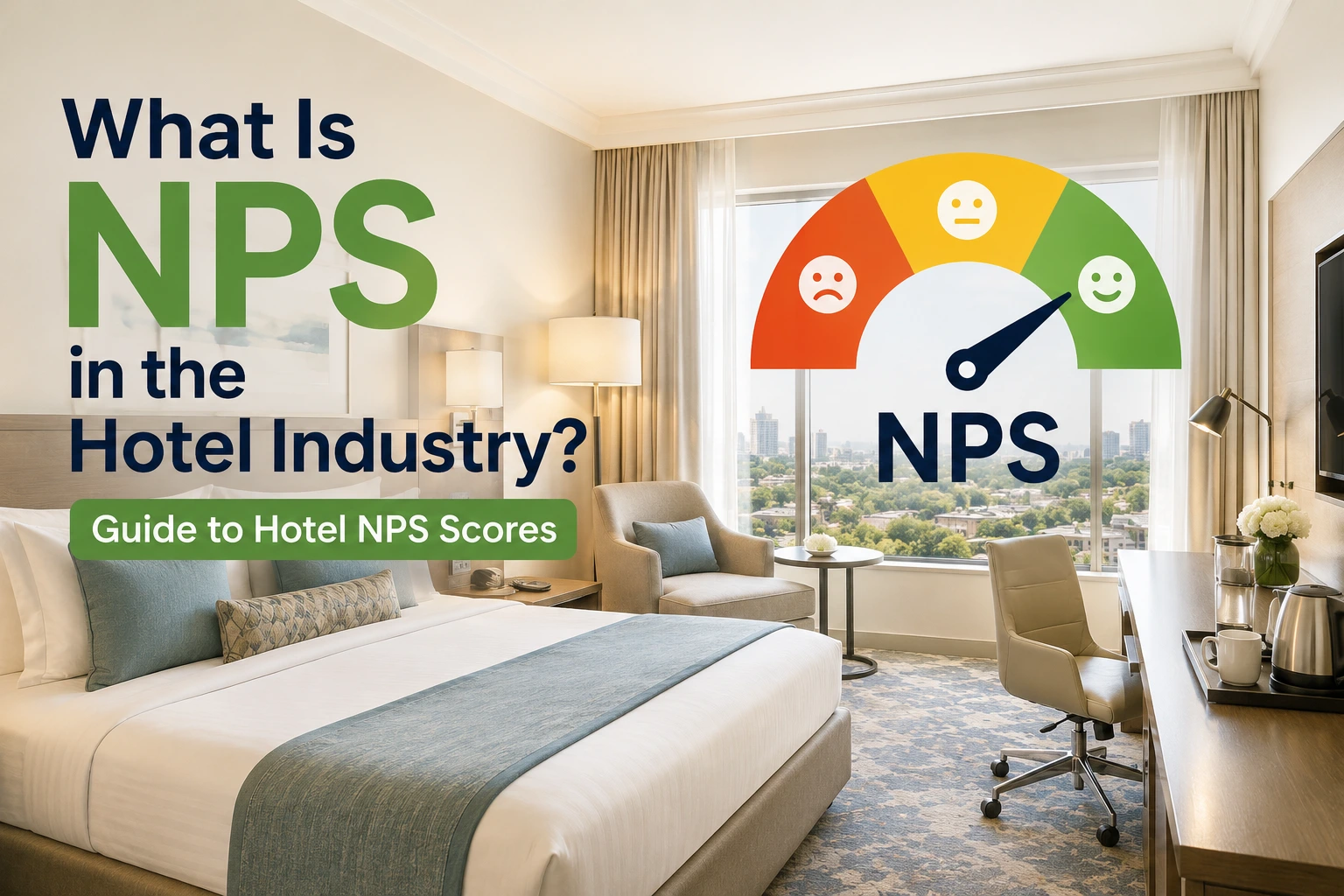
What Is NPS in the Hotel Industry? Guide to Hotel NPS Scores

Net Promoter Score (NPS) is one of the most useful numbers a hotel can track today. This guide explains the nps hotel meaning in a simplified way so that you can follow with ease. You will learn what is nps in hotel industry work, and why so many hotels truly care about it. We will look at hotel nps scores, how to read them, and how to make them better over time. The net promoter score hotel industry uses is simple once you see how the whole thing works. A good NPS hotel result shows that your guests are happy and want to come back again. It also shows that those guests will tell their friends and family good things about your hotel. By the end, you will know how to use this one number to grow your hotel the smart way. NPS Hotel Meaning: What This Number Really Tells You The idea behind this score is simple, and it starts with just one easy question for guests. Hotels ask each guest how likely they are to tell a friend about their recent stay. Guests give a score from zero to ten, and that score puts them into one of three groups. This single question is the heart of the score, and it works the same way at every hotel. The NPS meaning in hotel industry talk is just a quick way to measure real guest loyalty, and one of the clearest signals of a strong hotel guest experience.  A high number means guests loved their stay and will likely book your hotel again very soon. A low number means something went wrong, and those guests may never choose to come back. So this Net Promoter Score hotel score is less about stars and more about how guests truly feel inside. When you understand how this score works, you can fix small problems before they cost money. NPS Full Form in Hotel: Breaking Down the Words The NPS full form in hotel talk is Net Promoter Score, and nothing about it is hard at all. A man named Fred Reichheld first shared this simple idea with the world back in 2003. The word "Promoter" means a happy guest who tells other people good things about your hotel. The word "Net" means you take the unhappy guests away from the happy ones to get one number. So the full name simply blends these two clear ideas together into a single, easy-to-read score. Many hotel teams now keep their target score written down right inside their staff training guides. Knowing this full form helps your whole team explain the survey question to every single guest. When guests understand why you ask, they are far more willing to give you an honest answer. A clear, short survey question like this one is also quick and pleasant for guests to complete. What Is NPS in Hotel Industry Work, and Why It Matters Knowing what is NPS in hotel industry work helps you see why bosses watch this number. The score can warn you early if guests will return or quietly leave your hotel for good. Here are the main reasons the Net Promoter Score in hotel industry matters so much to hotel owners today: Happy guests, called promoters, spend more money and book straight with your hotel far more often. Word of mouth from these guests brings in fresh bookings without the high cost of paid ads. One shared score helps your whole team, from the front desk to housekeeping, chase the same goal. The number lets you compare your hotel against rivals nearby and see where you truly stand today. This is why this simple number now shows up on the screens of most top hotel leaders. Even small, low-cost hotels can earn a lot more money when they take this simple score seriously. How Hotel NPS Scores Are Worked Out? Working out your score means putting every guest answer into one of three simple and clear groups. The table below shows how each score from zero to ten fits neatly into these three groups. Group Score They Give What It Means Promoters 9–10 Loyal guests who recommend you and come back Passives 7–8 Happy enough, but easy for a rival to win over Detractors 0–6 Unhappy guests who may post poor reviews To find your hotel Net Promoter Score, you take the percent of unhappy guests away from the happy ones. The guests in the middle, called passives, count in your total but not in the final math. Imagine that sixty out of a hundred guests are promoters, while twenty of them are unhappy detractors. You take twenty away from sixty, and that gives you a solid final score of forty. Scores can fall anywhere from negative one hundred all the way up to a positive one hundred. Always check how many guests replied, because a small handful of answers can paint a false picture. A Real NPS Example You Can Follow at Any Hotel Let us walk through a simple example so the whole idea feels clear and very easy. Picture a city hotel that collected two hundred filled-in guest surveys over the last full month. One hundred of those guests gave a score of nine or ten, so they count as happy promoters. Sixty guests gave a seven or eight, which means they sit quietly in the passive middle group. The last forty guests gave a six or lower, so they count as unhappy detractors instead. That means promoters are fifty percent of all replies, while detractors are twenty percent of replies. You take twenty away from fifty, and this hotel ends up with a healthy score of thirty. Reading the open guest comments would then show this hotel exactly what it should fix next. Doing this same simple math each month shows whether your changes are really moving the number. Promoters, Passives, and Detractors in Hotels Explained Each of these three groups acts in its own way, and each one needs a different response from you. Promoters come back often, forgive small mistakes, and happily tell their friends about your hotel, which makes them your best starting point when you're focused on how to get more online reviews. Passives feel okay about their stay, but they can easily switch to a rival with a better deal. Detractors had a bad time, and they often leave poor reviews that scare away many future guests. Turning passives into promoters is usually the fastest way to lift your score over time. Cutting the number of detractors often protects your money faster than chasing brand-new promoters does. Your front desk team can often spot a likely detractor before that guest has even checked out. When you map each group to a clear action, your whole team stays focused on guests every single day. What Is a Hotel NPS Score That Counts as Good? Many owners ask what is a hotel NPS score that really counts as a strong and good result. The honest answer is that a good score depends on your type of hotel and your location. As a simple rule, any score above zero means you have more happy guests than unhappy ones. The table below shows how to read your score at a glance and what to do next. Score Range What It Means What To Do Next Below 0 Serious loyalty problem Fix your service quickly and urgently 0–30 Needs work Solve the complaints guests repeat most 30–50 Strong and healthy Keep standards high and polish details Above 50 Excellent loyalty Protect your culture and reward staff The wider hotel and travel world tends to score between thirty-nine and forty-four points on average. Beating that average puts your hotel ahead of most rivals in your own local area. Always read your number next to the count of replies, because tiny samples can easily fool you. The trend over many months tells you far more than any single hotel NPS score on its own. Net Promoter Score Hotel Industry Benchmarks by Type Net Promoter Score hotel industry benchmarks change a lot based on the kind of hotel you run. Luxury resorts often score higher because their guests enjoy warm, personal service at every single step. The table below shows the typical score range for each main type of hotel you might run. Hotel Type Typical Score Range What Wins Guest Loyalty Luxury hotels and resorts 60–75 Personal, caring service Mid-range and business hotels 35–50 Comfort, value, and consistency Budget hotels and motels 15–30 Clean rooms, fair price, good location When you compare your own hotel Net Promoter Score (NPS), always match it against your own type of hotel. A small boutique hotel should never measure itself against a cheap roadside motel down the road. Resort guests, for example, judge the pool, the food, and the grounds far more harshly than others. Business hotels instead win loyalty through fast wifi, easy parking, and a quick, smooth check-in process. Season, location, and the kind of traveler you host can also move these benchmark numbers around. What Makes NPS in Hotel Results Go Up or Down A few key things decide whether your guests turn into happy promoters or into unhappy detractors. Studies show again and again that warm, personal service is the strongest driver of guest loyalty. Hotels that remember what a guest likes can score many points higher than hotels that simply forget. Here is a surprising fact worth knowing: guests whose problem gets fixed well often score higher than guests who had no problem at all. This shows that how you handle a complaint matters just as much as avoiding one in the first place. A fast, friendly check-in shapes that very first feeling, which then colors the entire guest stay. Clean, quiet rooms with thoughtful little extras also push your final score steadily higher and higher. When every part of the hotel stays strong, one weak spot is far less likely to create detractors. How to Increase NPS Score in Hotel the Easy Way Learning how to increase NPS score in hotel work starts with one simple habit: truly listening to guests. Small changes, done often, add up fast and lift loyalty across every kind of guest you host. Here are clear, easy steps that show you how to increase nps score in hotel settings: Send your survey soon after checkout, while the stay is still fresh in the guest's mind. Call or email every unhappy guest in person to learn what went wrong and to fix it. Let your staff solve guest problems on the spot, without waiting for a manager to say yes. Save guest likes, like room type and pillow choice, so the next visit feels easy and personal. Track the complaints you hear most often, then spend money on the fixes that help the most guests. Together these habits turn raw feedback into real changes that your guests will quickly notice and enjoy, especially when backed by the right technology to improve the guest experience. Hotels that check their score each month catch problems long before those problems start to hurt sales. Building a Strong Hotel NPS Survey Program A strong survey plan needs clear timing, short questions, and a steady habit of following up with guests. Keep your survey to the one main question, plus one open box for guest comments and ideas. Those open comments explain the score and tell you exactly what your guests want you to improve. Send the survey by email or text within one day of the guest checking out of your hotel. Sort your results by room type, booking channel, and season to spot hidden patterns fast. Easy guest experience software can send, collect, and sort these surveys for you with very little daily effort. Try different subject lines and send times to slowly raise how many guests actually reply to you. Share every score openly with your staff, so getting better becomes a goal the whole team owns together. NPS vs Other Hotel Guest Scores Hotels often mix up NPS with other guest scores, but each one answers a very different question. The table below shows how this score stands next to two other common guest scores you may meet. Score What It Measures Best Used For NPS Will a guest recommend you Long-term loyalty and trust CSAT How happy one moment felt Rating single touchpoints fast CES How hard a problem was to solve Finding friction in the stay NPS asks if a guest would tell a friend, which points to long-term loyalty and trust. CSAT asks how happy a guest felt about one single moment, like check-in or one meal. CES asks how hard it was for a guest to get a problem solved during their whole stay. Using your score next to these other guest scores gives you a fuller and clearer picture. No single number can ever tell the whole story of how your guests truly feel about you. Most hotels start with NPS first, then slowly add the other scores once they feel fully ready. Common Mistakes That Lower Hotel NPS Scores Even caring hotels can hurt their own score by making a few very common mistakes here. Chasing the number itself, instead of real guest joy, can push staff to act in strange ways. Watch out for these common traps that quietly drag your scores down lower and lower over time: Sending long, frequent surveys tires guests out and lowers how many people reply to you at all. Collecting scores but never acting on them makes guests feel ignored and even more annoyed than before. Begging guests for a perfect ten twists your data and hides the real problems you must fix. Treating this score as a vanity number wastes the real, useful lessons it can truly teach you. Surveying only your happiest guests will lift the score on paper but hide your deeper problems. Comparing two very different hotels without any context will also lead you to the wrong conclusions. Turning Your NPS Result Into Lasting Guest Loyalty A strong hotel NPS score grows from a good culture, steady service, and real care for every guest. Measure your score often, compare it to your own hotel type, and act fast on what guests tell you. Treat every unhappy guest as a fresh chance to win back trust and earn their loyalty again. Your front-line team deserves real praise whenever their daily effort lifts the score higher. Loyalty built slowly through honest effort becomes a strong edge that your rivals will find hard to copy. Start measuring this month, then improve your approach a little bit more with each passing season. Done well, this simple score becomes a clear and steady guide that points your hotel toward real growth. Keep it simple, stay patient, and your guests will reward your hotel for many years to come.